What “Natural GLP-1” Actually Means on a Supplement Label
The short version
GLP-1 is a gut hormone released after eating that slows stomach emptying and signals fullness. Prescription GLP-1 medicines are engineered peptides that bind the same receptor for hours or days. A supplement labelled “natural GLP-1” is not a receptor agonist and does not work the same way — at best it contains nutrients that nudge your own GLP-1 release a little, which is a far smaller effect.
- The hormone: glucagon-like peptide-1, released by gut L-cells after a meal.
- The drugs: engineered peptides that bind the GLP-1 receptor directly, at pharmacological strength, under prescription.
- The supplements: food components that may modestly increase your own release. Not the same category, not the same size of effect.
What GLP-1 actually is
Glucagon-like peptide-1 is an incretin hormone. Specialised L-cells in the lining of your small intestine release it in response to food arriving — particularly protein, fat and fermentable carbohydrate. Once released it does several things at once: it stimulates glucose-dependent insulin secretion, suppresses glucagon, slows the rate at which your stomach empties, and acts on appetite centres in the brain to make you feel full.
The important detail for this article is what happens next. Native GLP-1 is destroyed almost immediately by an enzyme called DPP-4 — its half-life in circulation is a couple of minutes. Your own GLP-1 is a short, meal-linked pulse, not a sustained signal.
What the prescription drugs did about that
The entire pharmaceutical achievement of the GLP-1 class was solving the half-life problem. By modifying the peptide so that DPP-4 cannot cleave it, and attaching it to a fatty acid chain so it binds to albumin and circulates, these medicines turn a two-minute pulse into a sustained receptor signal lasting many hours or a week.
That is what produces the effects people have read about. It is a pharmacological intervention, prescribed and monitored, with a documented side-effect profile and real contraindications. It is also completely unrelated to anything you can buy in a dropper bottle.
The drugs did not discover GLP-1. They made it last. That engineering step is the entire difference, and it is the step no supplement performs.
So what could a supplement honestly claim?
There is a legitimate, much smaller conversation here. Because GLP-1 release is triggered by what arrives in the gut, some dietary components do measurably increase your own secretion:
- Protein and fat at a meal trigger more GLP-1 release than a refined carbohydrate does.
- Fermentable fibre reaching the colon produces short-chain fatty acids, and those in turn stimulate L-cells. This is one of the better-supported indirect routes.
- Bitter compounds have been shown in small studies to interact with taste receptors expressed in the gut and affect satiety hormone release.
None of that is nothing. All of it is a modest nudge to your own physiology, on the scale of “you feel a bit fuller after this meal”, not on the scale of a prescription. A label that says “supports your body's natural GLP-1 satiety pathway” is making the modest claim. A label that implies you are getting the drug effect without the prescription is not.
How to read the aisle
| Phrasing | What it means |
|---|---|
| “GLP-1 receptor agonist” | A drug. If a supplement says this, that is a serious problem with the label. |
| “Supports your natural GLP-1 pathway” | A structure-function claim. Legal, modest, and about your own hormone. |
| “Nature's Ozempic” or a brand comparison | A red flag. Comparing a supplement to a named prescription drug is the claim regulators look for. |
| “GLP natural formula” | Deliberately ambiguous. It borrows the association without making a checkable statement. |
Where LipoBliss sits
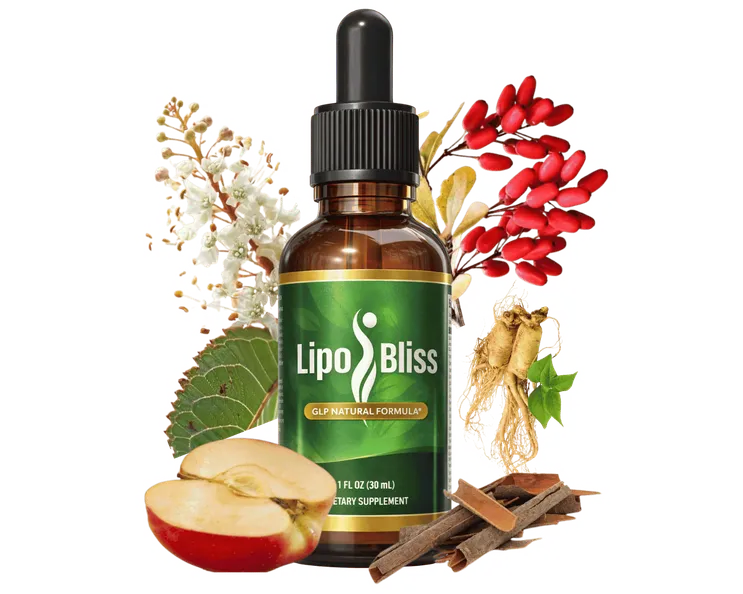
LipoBliss's bottle carries the phrase “GLP Natural Formula” and its copy says the blend “supports your body's natural GLP-1 satiety pathway”. That is the modest, legal form of the claim, and to the brand's credit the page does not compare itself to any prescription drug.
It is still worth being clear-eyed about what follows from it. The ingredients on the brand's chart that plausibly touch satiety at all are gymnema, African mango and the thermogenic pair of green tea and cayenne — and they sit inside a 200 mg proprietary blend shared with eighteen other compounds. Expect a nudge on cravings if anything, over weeks, and read the three letters on the bottle as association rather than mechanism. For what the strongest of those ingredients actually does, see gymnema, cayenne and the appetite question.
See these ingredients in context
LipoBliss puts eight of them in a once-daily dropper. Here is the current official-store pricing and the 60-day guarantee.
Get OfferFrequently asked questions
Is any supplement a GLP-1 drug?
No. GLP-1 receptor agonists are prescription medicines. No dietary supplement is one, and a supplement marketed as equivalent to a named prescription drug is making a claim its category is not allowed to make.
Can food really raise your own GLP-1?
Yes, modestly. Protein, fat and fermentable fibre all increase GLP-1 release compared with refined carbohydrate. The effect is part of normal digestion rather than a pharmacological one.
Why do so many supplements use the phrase now?
Because the prescription class created enormous consumer awareness, and a structure-function phrase like “supports your natural GLP-1 pathway” is legal to print. Awareness plus a legal phrase is a marketing opportunity, not new science.