Gymnema, Cayenne and the Appetite Question: What the Evidence Shows
The short version
Gymnema sylvestre contains gymnemic acids that temporarily bind sweet taste receptors, so sugar tastes of almost nothing for fifteen minutes or so — an effect you can test on yourself. Capsaicin from cayenne has a small, repeatedly measured effect on energy expenditure and appetite. Both are genuine. Neither is large, and both live inside a proprietary blend on most labels, so the amount is usually unknowable.
- Gymnema: a demonstrable sensory effect plus human work on glucose handling.
- Cayenne: capsaicin, a small but replicated thermogenic and appetite effect.
- The catch: trial doses are far above what a shared 200 mg blend can deliver.
The one ingredient you can test on yourself
Gymnema sylvestre is a woody vine used in Ayurvedic practice, and its Hindi name — gurmar — translates roughly as “sugar destroyer”. That name is not marketing. The gymnemic acids in the leaf have a molecular shape similar enough to glucose that they occupy sweet taste receptors on the tongue without activating them.
The result is unusually easy to verify. Hold gymnema on your tongue, then eat something sweet: for the next ten to twenty minutes, sugar registers as texture with almost no sweetness at all. Chocolate becomes waxy. Table sugar becomes sand. Very few supplement ingredients produce an effect you can confirm yourself in under a minute, and that alone puts gymnema in a different class from most of the appetite aisle.
Does the taste effect translate into eating less?
This is where honesty is required. The sensory effect is not in doubt. What is less settled is whether it reliably reduces how much sugar people eat over weeks — that depends on timing, on whether the ingredient reaches the tongue at all (a swallowed capsule largely bypasses it), and on whether a person's sugar habit is driven by taste or by something else entirely.
Separately, gymnema has a body of human research on glucose handling, mostly older, mostly small, and mostly in the context of diabetes management. That literature is interesting enough to justify the ingredient's inclusion and thin enough that it should not be sold as a treatment. If you take medication for blood sugar, this is precisely the ingredient to discuss with your doctor before starting, because additive effects are plausible.
A liquid dropper is arguably the better format for gymnema, because the taste receptor effect requires contact with the tongue that a swallowed capsule never makes.
Cayenne: small, real, and measured many times
Capsaicin is the compound that makes chilli hot, and it has been studied for decades in two directions relevant here. It produces a modest increase in energy expenditure and fat oxidation after ingestion, and it produces a modest reduction in subsequent appetite and energy intake in controlled feeding studies.
Both effects are consistent enough to be taken seriously and small enough that describing them as fat burning oversells them considerably. Meta-analyses of capsaicinoids tend to land on effects measured in tens of calories per day, not hundreds. Over months that is not zero. Against a single large meal it is a rounding error, and it will never out-run a diet.
There is also a tolerance question: regular chilli eaters show a blunted response, so the people most comfortable taking it are the ones likely to get least from it.
The dose problem that applies to both
| Ingredient | Typical research amount | What a shared 200 mg blend allows |
|---|---|---|
| Gymnema extract | hundreds of milligrams daily in trials | a fraction, if shared with 20 other compounds |
| Capsaicinoids | studies commonly use a few milligrams of capsaicinoids | plausible at blend scale — one of the few that is |
| Green tea catechins | several hundred milligrams of EGCG | not achievable within the blend |
This is the reason a proprietary blend is worth objecting to even when the ingredient list is good. Capsaicin is active in the low milligrams, so it can plausibly be present at a meaningful amount inside 200 mg. Gymnema and green tea are not, and without a breakdown you cannot tell which ingredients got the space.
What to reasonably expect
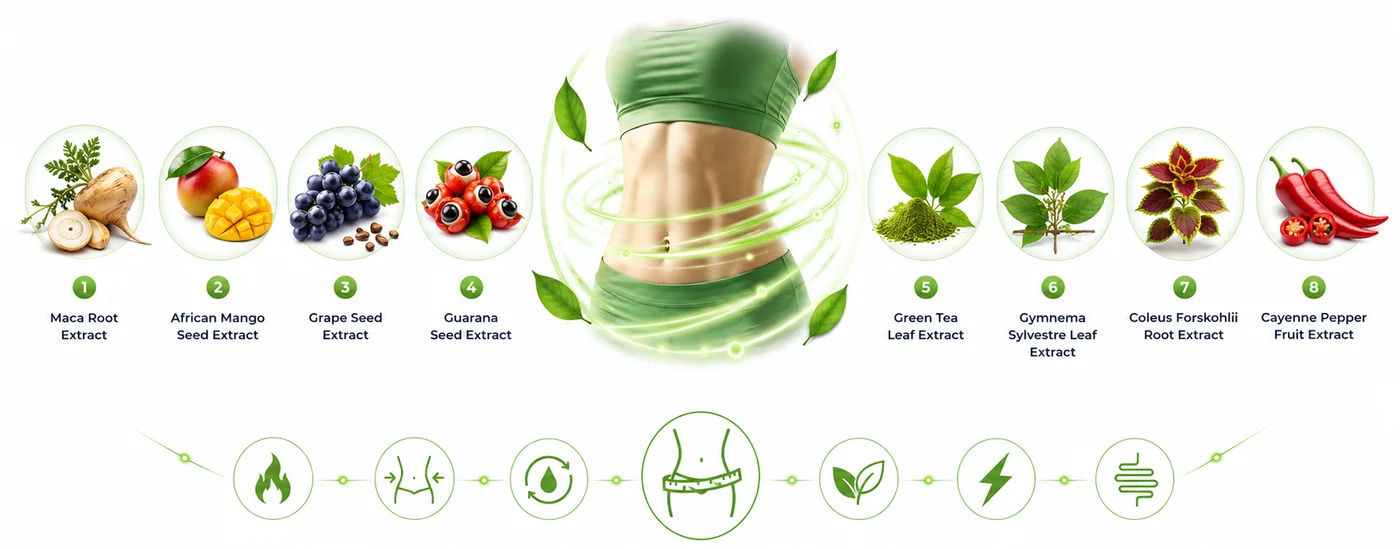
If a formula containing these two does something for you, the most likely shape of it is: slightly less pull toward sweet things, a small nudge in daily energy expenditure, and — assuming a stimulant is present, as guarana is on LipoBliss's chart — a bit more subjective energy. That is a supporting role in a change you are making some other way. Anyone selling it as the change itself is not describing these ingredients accurately. For how the category's favourite three letters fit into the same story, see what “natural GLP-1” actually means.
See these ingredients in context
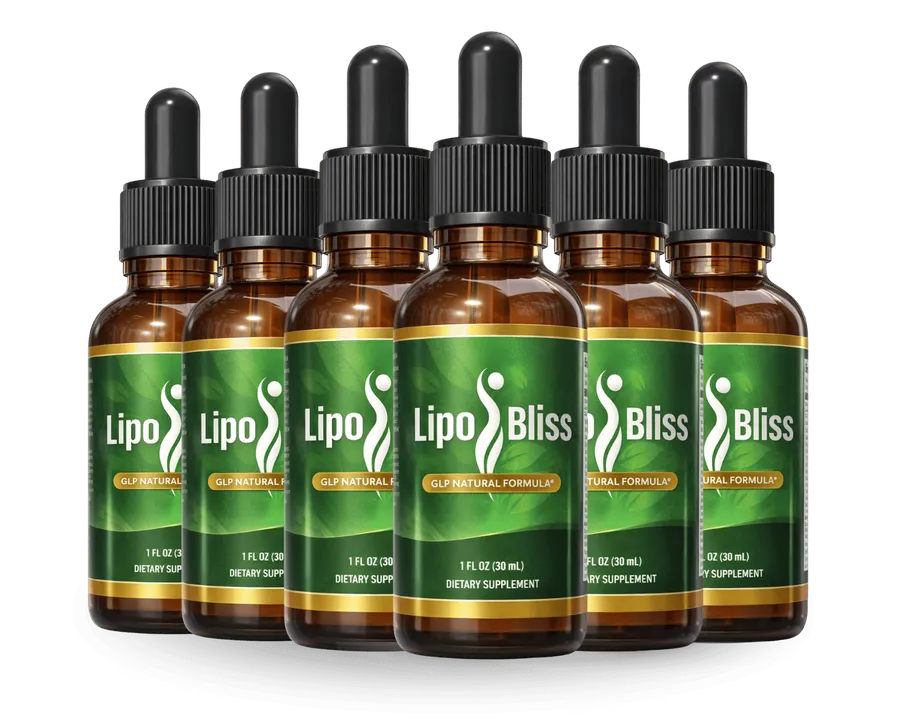
LipoBliss puts eight of them in a once-daily dropper. Here is the current official-store pricing and the 60-day guarantee.
Get OfferFrequently asked questions
Does gymnema really make sugar taste like nothing?
Yes, temporarily, and it is easy to test. Gymnemic acids occupy sweet taste receptors without activating them, so sweetness is muted for roughly ten to twenty minutes. The effect requires contact with the tongue.
Is cayenne a fat burner?
Capsaicin produces a small, repeatedly measured increase in energy expenditure and a small reduction in appetite. “Fat burner” oversells it — the measured effects are on the order of tens of calories a day, and regular chilli eaters respond less.
Can I take these if I am on diabetes medication?
Ask your doctor first. Gymnema has human research on glucose handling, and chromium is often in the same formulas, so additive effects with glucose-lowering medication are plausible. This is general information, not medical advice.