Gut Health Microbiome Support Supplement Claims: What Test Kits Can and Cannot Tell You
The short version
A consumer microbiome test kit sequences bacterial DNA from a single stool sample and tells you which broad groups of bacteria were present in that sample, on that day. It cannot tell you whether your gut is healthy, because there is no agreed reference range for a healthy microbiome, and it cannot validly tell you which gut health microbiome support supplement to buy.
- What it does: describes relative abundance of bacterial groups in one sample.
- What it does not do: diagnose anything, or measure what those bacteria are actually doing.
- The commercial catch: the product recommendation attached to the result is marketing, not a validated clinical rule.
What a microbiome test kit actually measures
Nearly all consumer kits work the same way. You collect a small stool sample, stabilise it in a tube, post it to a lab, and the lab extracts bacterial DNA. Most then amplify a specific region of the 16S ribosomal RNA gene, which differs enough between bacterial families to act as a name tag. Some use shotgun metagenomic sequencing, which reads across the whole pool of DNA rather than one marker gene and can therefore reach species and sometimes strain level.
The output is a list of taxa with relative abundances, usually rendered as a colourful pie chart, plus a diversity score and a set of comparisons against the company's own customer database. It is worth being precise about the word relative. These numbers are proportions of the sequences recovered, not counts of bacteria in your colon. If one group expands, everything else appears to shrink even when nothing about it has changed.
The other thing to hold on to is that a stool sample is a sample of what left, not a survey of what lives on the gut wall or in the small intestine. Communities differ markedly along the length of the digestive tract and between the lumen and the mucus layer. A stool kit gives you a partial view of one compartment, taken once.
The three limits that matter most
Sampling. Your microbiome is not a fixed trait like a blood type. It shifts with fibre intake, alcohol, travel, illness, sleep and medication, and a course of antibiotics can reshape it for months. Two samples from the same person in the same week can look meaningfully different. A single snapshot is therefore closer to a weather report than a climate record.
Resolution. Function does not follow neatly from name. Two strains sharing a species label can carry different genes and behave differently, and 16S sequencing frequently cannot separate them. Knowing a genus is present tells you very little about whether the genes for producing a particular short-chain fatty acid are present and active.
Reference. This is the deepest problem. There is no scientific consensus on what a healthy microbiome looks like, because healthy people differ enormously from one another and across populations and diets. When a report grades your result against average or optimal, it is comparing you against that company's customer set, which is a commercial reference population, not a validated clinical range.
Where the science is genuinely solid
Being sceptical about the kits is not the same as being sceptical about the field, and the field has produced real, replicated findings worth knowing.
Dietary fibre reaching the colon is fermented by resident bacteria into short-chain fatty acids, principally acetate, propionate and butyrate. Butyrate is a primary fuel for the cells lining the colon. Higher overall diversity of the gut community tends to travel with diets containing a wider range of plants. Antibiotics reduce diversity, sometimes for a long time. Certain probiotic strains have human evidence for specific, narrow endpoints such as antibiotic-associated digestive upset. These are not fringe claims; they are the settled part of the map.
What has not been established is the step the marketing depends on: that reading your particular taxa list allows anyone to prescribe a personalised product with a predictable result. That is a much larger claim than the underlying science currently supports, and it is where most of the money in the category sits.

Read the label, not the pie chart
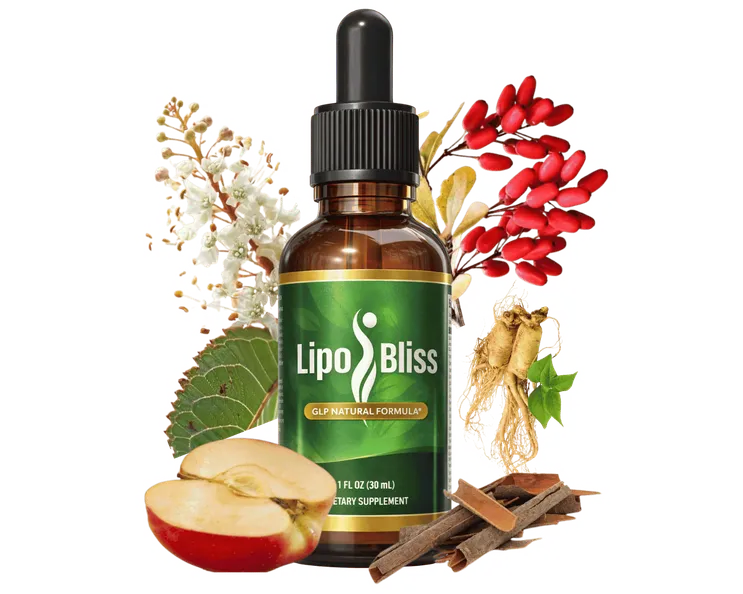
If you would rather judge a formula by what is disclosed on its own ingredient chart, the official store lists the full label alongside current price and guarantee terms.
Get OfferWhat a gut health microbiome support supplement can follow from a result
Almost nothing, in the strict sense. The chain of reasoning behind a personalised recommendation usually runs: your sample shows less of genus X; genus X has been associated with some outcome in published work; therefore take this product containing something claimed to raise genus X. Each link in that chain is weaker than it looks. Association is not causation, the association is often from animal work, and whether a swallowed capsule reliably raises a named genus in a given person is rarely demonstrated.
This does not mean a gut health microbiome support supplement is pointless. It means the justification for taking one should come from the ingredient's own human evidence and dose, in the way you would assess any supplement, rather than from a sequencing report. Someone hunting for the best gut health supplement is better served by asking which strains or fibres have human data and at what amount than by asking which product a lab report named.
It also means the honest use of a kit is curiosity, not diagnosis. Consumer microbiome tests are not cleared as diagnostic devices, they should not be used to self-manage a medical condition, and persistent digestive symptoms belong in front of a clinician rather than a sequencing dashboard.
How the test types compare
| Approach | What it reads | Resolution | Typical use | Evidence for personalised advice |
|---|---|---|---|---|
| 16S rRNA sequencing | One marker gene region | Genus, sometimes species | Most consumer kits | Weak |
| Shotgun metagenomics | All DNA in the sample | Species and strain, plus gene content | Premium kits and research | Weak to moderate, still research-stage |
| Metabolomics of stool | Chemical outputs such as short-chain fatty acids | Function rather than names | Mostly research | Promising, not consumer-ready |
| Clinical stool pathogen testing | Specific organisms and toxins | Targeted | Ordered by a clinician for symptoms | Strong for its narrow purpose |
| Food and symptom diary | Your own intake and response | Individual and immediate | Free, self-managed | Modest but directly actionable |
Notice which row costs nothing. The diary is the only one on the list that gives feedback fast enough to change what you do this week, which is the timescale most people actually operate on.
The recommendation problem
There is a structural conflict worth naming plainly. Many kits are sold by companies that also sell the supplements recommended in the report. That arrangement does not automatically make the advice wrong, but it does mean the test result is an input into a sales process, and a report that concluded you need nothing would be commercially awkward.
A test that can only ever recommend buying something is not a diagnostic. It is a funnel with a laboratory attached.
The same caution applies in the other direction, and we will state it about ourselves: this site earns commission when someone buys through our links, which is disclosed on every page. That is exactly why we argue for judging a formula on its disclosed label and its ingredient evidence rather than on any score, chart or grade a seller generates.
What this cannot do
Being clear about the limits of test kits should not slide into overclaiming for the alternative, so here are the boundaries of everything above.
A food and symptom diary is subjective and easy to abandon. It cannot detect an infection, an inflammatory condition or coeliac disease, and it will not tell you anything about bacterial composition at all.
Diet changes that increase fibre and plant variety are well supported for digestive comfort and overall nutrition, but they are not a treatment for any disease and they do not work for everyone. Some people with specific conditions need the opposite advice from a dietitian.
Supplements, including anything sold for gut support or weight management, are not intended to diagnose, treat, cure or prevent any disease. No formula on the market, including the one this site covers, is a substitute for medical assessment, and none of this is medical advice. If you are on medication, particularly for blood sugar or immune suppression, ask your doctor before adding probiotics or botanical extracts.
A cheaper set of signals that work about as well
If the goal is feedback you can act on, five free signals will outperform one expensive snapshot. Count the number of distinct plant foods you eat in a week. Estimate daily fibre and see whether you are near the recommended intake, because most people are not. Note bowel regularity and comfort. Note bloating in relation to specific meals rather than in general. Note sleep, since sleep loss affects appetite regulation independently of anything happening in the colon.
Those five, tracked for a month, will teach you more about your own digestion than a taxa list will, and they cost nothing. If you then want to add a product on top, you can evaluate it the same way we evaluate any ingredient claim on the LipoBliss ingredient chart and what it discloses — by dose, by human evidence, and by what the label refuses to say. For the difference between the two most confused categories in the aisle, see our companion piece on probiotics versus prebiotics and what each one actually does.
Where to buy and what the terms are
The official store is the only place stating the current LipoBliss price, the package options and the 60-day guarantee window in full.
Get OfferFrequently asked questions
Are consumer microbiome test kits accurate?
They are usually reproducible at describing which broad groups of bacteria are present in one stool sample. That is different from accurate in a clinical sense, because there is no agreed reference range for a healthy microbiome and results shift with what you ate in the previous days.
Can a microbiome test tell me which supplement to take?
No. Matching a named bacterium to a named product is a commercial recommendation, not a validated clinical rule. Probiotic strains studied in humans were tested against symptoms and conditions, not against a customer's sequencing readout.
Does the gut microbiome affect body weight?
Research links differences in gut bacterial communities with differences in energy harvest, appetite signalling and inflammation, and most of the strongest evidence is in animals. In humans the relationship is real but modest and the direction of cause is still being worked out.
Is there a cheaper way to track my gut than a test kit?
Yes. Tracking daily fibre intake, the number of different plants you eat in a week, bowel regularity, bloating after specific meals and sleep gives you feedback you can act on immediately. Those signals cost nothing and respond within days.
References
- National Institute of Diabetes and Digestive and Kidney Diseases — Digestive Diseases information.
- National Center for Complementary and Integrative Health — Probiotics: What You Need To Know.
- PubMed — primary literature on gut microbiome sequencing and stool sampling.
- Harvard T.H. Chan School of Public Health, The Nutrition Source — The Microbiome.
- Mayo Clinic — Dietary fiber: essential for a healthy diet.