Are Weight Loss Supplements Effective? Surrogate Markers vs Real Weight Outcomes
The short version
Are weight loss supplements effective? In most published trials the honest answer is that they move a surrogate marker far more reliably than they move the scale. A surrogate marker is a stand-in measurement — an appetite rating, a blood value, a short burst of energy expenditure — that researchers hope predicts weight change, and it is not the same thing as weight change.
- Surrogate: something measured because it is quick, cheap and sensitive.
- Outcome: body weight, waist circumference or body-fat percentage, tracked over months.
- The gap: a marker can shift convincingly while body weight barely moves at all.
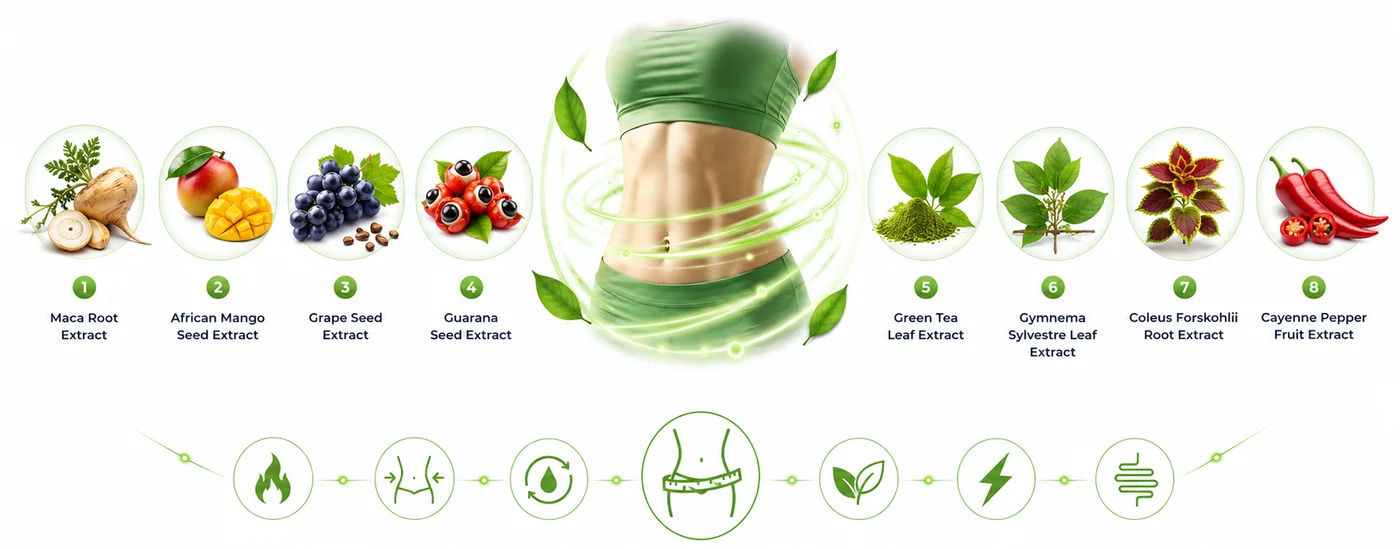
What a surrogate marker actually is
In trial design, an endpoint is the thing a study is built to measure. A hard endpoint is the outcome that matters to the person taking the product: how much they weigh six months later, how their waist measures, whether their body composition changed. A surrogate endpoint is a substitute — something that can be measured sooner, in fewer people, with less expense, and which the researchers have reason to believe travels in the same direction as the hard endpoint.
In the weight-management literature the usual surrogates are appetite and fullness scores collected on a visual analogue scale, resting energy expenditure measured by indirect calorimetry, respiratory quotient as a proxy for fat oxidation, fasting glucose and insulin, post-meal glucose curves, blood lipids, and short-term food intake at a single test meal. Each of these is a legitimate physiological measurement. None of them is a pound.
The distinction is not academic pedantry. Medicine has an uncomfortable history of surrogates that behaved beautifully while the outcome they were supposed to predict went the wrong way, which is why regulators treat surrogate-based approvals with caution and why a careful reader should do the same. When an ingredient is described as clinically studied, the first question is always: studied against which endpoint?
Why supplement trials reach for surrogates first
There are honest reasons, not only cynical ones. A trial powered to detect a modest difference in body weight needs a large sample, a long run-in, months of follow-up and meticulous dietary records, because weight is noisy — hydration, glycogen, sodium, the menstrual cycle and simple day-to-day eating variation swamp small effects. A crossover study of twenty-four people measuring energy expenditure over four hours can be run for a fraction of the cost and still produce a publishable, real finding.
Supplement budgets are also not drug budgets. A botanical extract cannot be patented the way a molecule can, so the commercial incentive to fund a definitive twelve-month outcome trial is weak. The result is a literature that is genuinely wide at the mechanism end and genuinely thin at the outcome end, and that shape is worth understanding before you decide whether a category is worth your money.
The problem starts at the point of translation. A finding that a compound raised energy expenditure by a small margin over four hours becomes a headline about burning fat. A finding that a fibre slowed gastric emptying becomes a claim about appetite suppression. Neither translation is a lie about the data; both are silent about the distance between the data and the promise.
Are weight loss supplements effective when you measure the thing that matters?
When the question is narrowed to hard outcomes over meaningful periods, the picture gets modest fast. Systematic assessments of the category — the kind maintained by the NIH Office of Dietary Supplements — repeatedly reach the same shape of conclusion: for most individual ingredients the human evidence on body weight is limited, of mixed quality, and where effects exist they are small. That is not a fringe opinion. It is the mainstream reading of the same literature the marketing draws from.
So when someone asks are weight loss supplements effective, the defensible answer has two halves. Some ingredients have replicated, mechanistically coherent effects on markers that plausibly relate to appetite or energy balance. And the average size of the weight effect, where it has been measured at all, is small enough that it can only ever act as a supporting player alongside diet, activity, sleep and medical care. Anyone searching for the best weight loss supplement in the hope of skipping those four is going to be disappointed by the arithmetic, not by the brand.
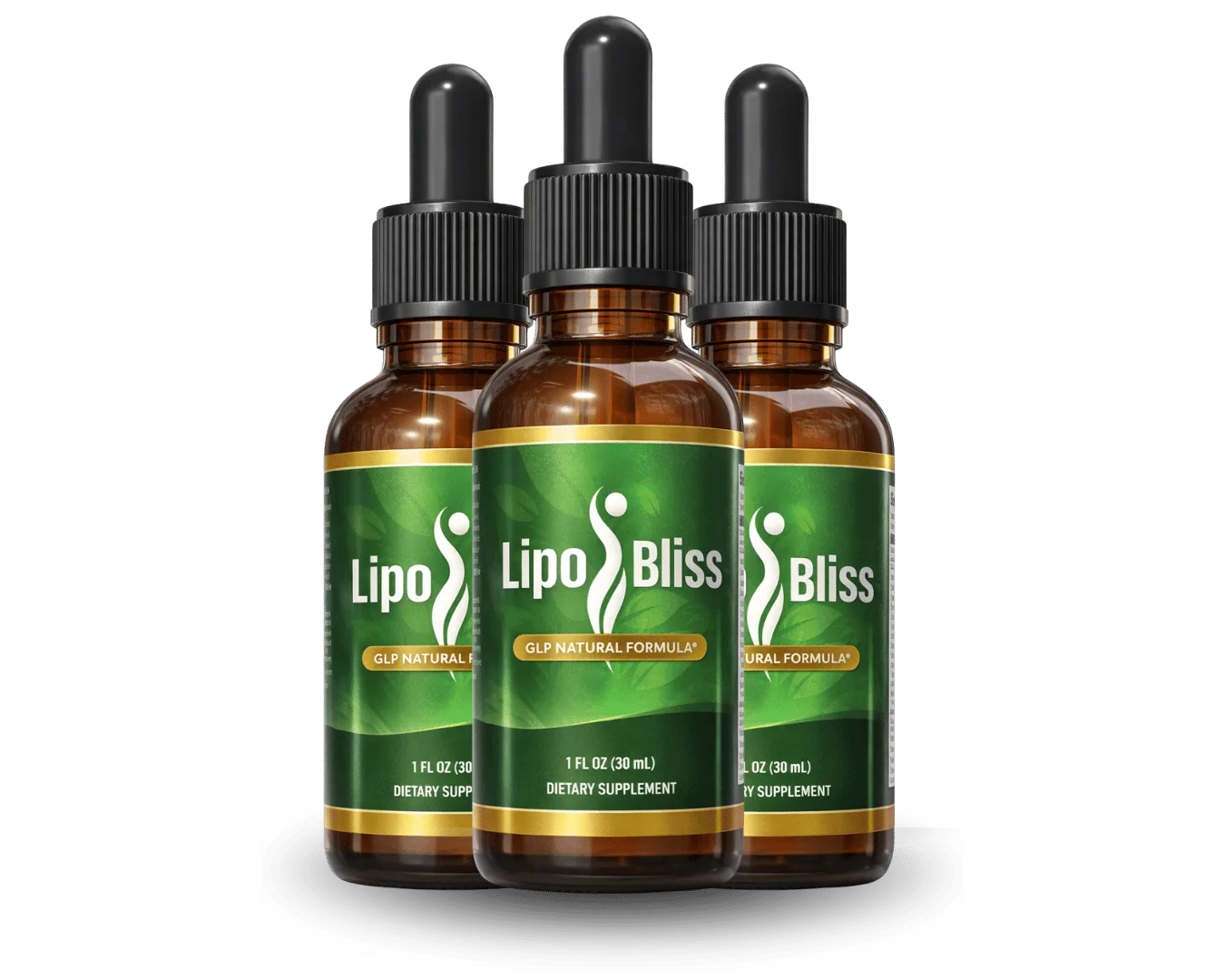
See the label before you judge the claim
If you want to check what is actually in a formula and what the current price and guarantee terms look like, the official store page lists both.
Get OfferA rough hierarchy of evidence strength
Not all evidence is the same weight, and the difference is usually visible from the abstract alone. The table below is a working ladder for reading supplement claims. It is deliberately blunt; the point is to make the rungs visible, not to grade any particular ingredient.
| What was measured | Typical study length | What it can support | Evidence strength |
|---|---|---|---|
| Cell culture or rodent fat cells | Days | A hypothesis worth testing in people | Very weak for humans |
| Single-dose energy expenditure | 2–6 hours | An acute physiological effect exists | Weak |
| Appetite ratings after a dose | 1 day | A short-term subjective change | Weak |
| Fasting glucose or lipid change | 4–12 weeks | A metabolic marker moved | Moderate for that marker only |
| Body weight, randomised, controlled | 12–52 weeks | A weight outcome, if diet was tracked | Strongest available |
| Meta-analysis of weight outcomes | Pooled | Whether the effect survives replication | Strongest, when trials are comparable |
Most ingredient stories in the weight-management aisle live in the top three rows. A small number reach row four. Very few reach rows five and six with a result that holds up, and the ones that do tend to report effects measured in a small handful of kilograms against placebo, not the transformations used in advertising.
Four questions that separate a real result from a decorative one
Was there a control group, and were people randomised into it? An uncontrolled before-and-after cannot separate the ingredient from the attention, the season, the new gym membership or simple regression to the mean. Everyone who starts a supplement usually starts something else at the same time.
Was diet recorded? If a twelve-week trial reports weight change without any dietary record, the result is uninterpretable, because it cannot tell you whether the ingredient did anything or whether the participants ate differently once they were being watched.
Was the dose used in the study anywhere near the dose in the bottle? This is where a great many claims quietly fall apart. Trials often use several hundred milligrams to grams of a standardised extract. A proprietary blend that totals a couple of hundred milligrams across a dozen botanicals cannot deliver that, and without a per-ingredient breakdown you cannot check.
Who was studied? A result in a small group of young men with a particular metabolic profile does not transfer automatically to a woman in perimenopause searching for the best weight loss supplement for women. Population matters, and supplement pages almost never state the one used.
The vocabulary that hides the gap
Certain phrases exist precisely because the outcome data is not there. "Supports metabolism" is a structure-function claim; it is legal, it is deliberately unfalsifiable, and it is not a statement about weight. "Clinically studied ingredients" says an ingredient appeared in a study somewhere, at some dose, against some endpoint — not that this product was studied. "Thermogenic" describes a measurable acute effect that is almost always small enough to be erased by one extra snack.
The most useful habit a reader can build is to translate every claim back into an endpoint. If the sentence cannot survive the question "measured how, in whom, for how long?", it was decoration.
None of this makes the ingredients worthless. It makes the language a poor guide to the evidence. People asking whether there are any weight loss supplements that actually work are usually asking a fair question and getting an answer written by someone with an interest in the reply.
What this framework cannot do
Being strict about endpoints has limits of its own, and pretending otherwise would be the same error in the opposite direction.
First, absence of outcome data is not evidence of no effect. Plenty of ingredients have never been put through a long weight-outcome trial simply because nobody would pay for one. "Unproven" and "disproven" are different words and should not be used interchangeably.
Second, some surrogates matter in their own right. If a botanical helps a metabolic marker stay in a healthier range, that may be worth something to a person regardless of what the scale says. Health is not only body mass.
Third, averages hide individuals. A trial reporting a small mean difference contains people who responded more and people who responded not at all, and no published average can tell you which one you would be. That uncertainty runs in both directions.
Fourth, and most importantly, nothing on this page is medical advice, and no dietary supplement is intended to diagnose, treat, cure or prevent any disease. If you take medication for blood sugar, blood pressure or thyroid function, the conversation to have is with your doctor, not with an article.
Reading a label with this in mind
The practical payoff is a short checklist. Look for per-ingredient amounts rather than a blend total. Compare those amounts against the amounts used in research rather than against the marketing. Treat any ingredient story built on rodents or a four-hour measurement as a hypothesis. Notice whether the seller distinguishes between a marker and an outcome, because the ones who do are telling you something about how they handle the rest of the evidence too.
That is the standard we apply to the LipoBliss formula and what its own label discloses, and it is the same standard behind our look at gymnema, cayenne and the appetite question, where two of the more defensible ingredients in the category get sized honestly. Applying it consistently will not tell you what to buy. It will tell you what a claim is actually worth, which is a better thing to know when comparing any fat burning supplement against the alternative of spending the same money on food you will actually cook.
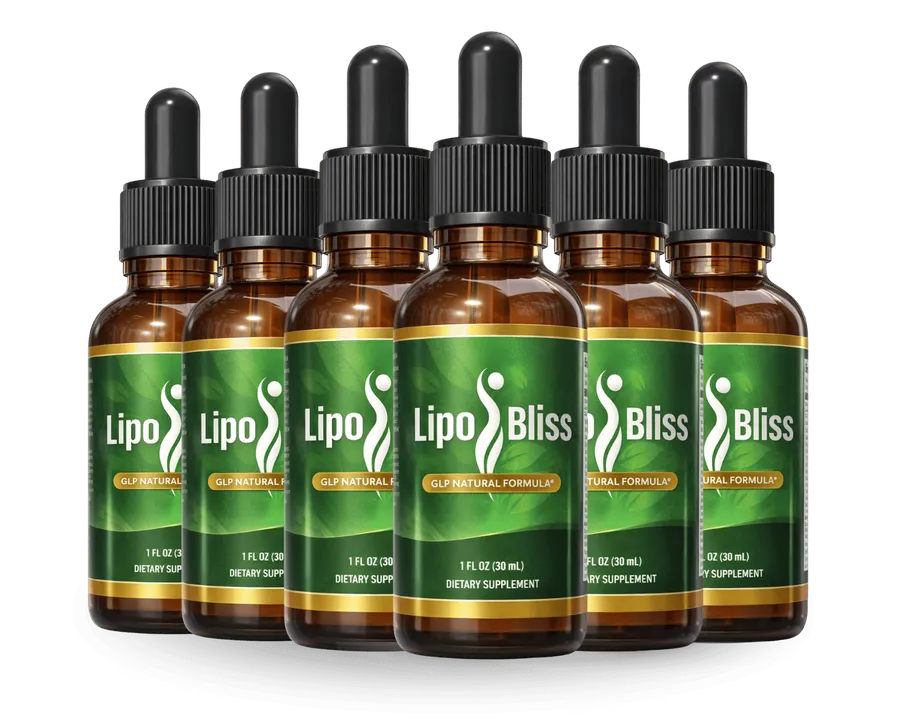
Where to buy and what the terms are
LipoBliss ships from the official store, which is also the only place the current price, the package options and the 60-day guarantee window are stated in full.
Get OfferFrequently asked questions
What is a surrogate marker in a weight loss study?
A surrogate marker is something researchers measure because it is faster and cheaper than waiting for body weight to change. Appetite ratings, resting energy expenditure, fasting glucose and blood lipids are common examples. It stands in for the outcome you care about rather than being that outcome.
Does a supplement that lowers appetite scores make people lose weight?
Not automatically. Appetite ratings taken an hour after a dose can drop measurably while total food intake over a week stays flat, because people compensate later in the day. A marker moving is a reason to keep studying an ingredient, not proof that weight will follow.
How long does a trial need to run to say something about weight?
Meaningful body weight change is usually assessed over at least twelve weeks, and diet and activity have to be recorded throughout. Studies running two to six weeks can describe short term physiology honestly, but they cannot tell you what happens to weight over a season.
Should I ignore surrogate markers completely?
No. Surrogate markers are how mechanisms get identified in the first place, and some of them matter for health on their own terms. The mistake is treating a marker result as though it were a weight result, which is what most supplement marketing does.
References
- NIH Office of Dietary Supplements — Dietary Supplements for Weight Loss, health professional fact sheet.
- National Center for Complementary and Integrative Health — Weight Control and Complementary Health Approaches.
- PubMed — search interface for the primary trial literature on dietary supplements and body weight.
- Mayo Clinic — Weight loss: 6 strategies for success.
- Harvard T.H. Chan School of Public Health, The Nutrition Source — Healthy Weight.