African Mango Weight Loss: Appetite, Waist Size and the Evidence
Does African mango help with weight loss?
The African mango weight loss evidence is encouraging but modest. Several small trials of Irvingia gabonensis seed extract at 150 mg twice daily reported lower body weight, body fat and waist size over about ten weeks, and it is proposed to support satiety. The studies were small, so read it as promising rather than proven.
- Studied dose: 150 mg of standardized seed extract, twice daily before meals.
- Reported outcomes: reductions in body weight, body fat and waist circumference.
- Honest caveat: small, mostly single-group trials; a supporting ingredient, not a cure.
What African mango actually is
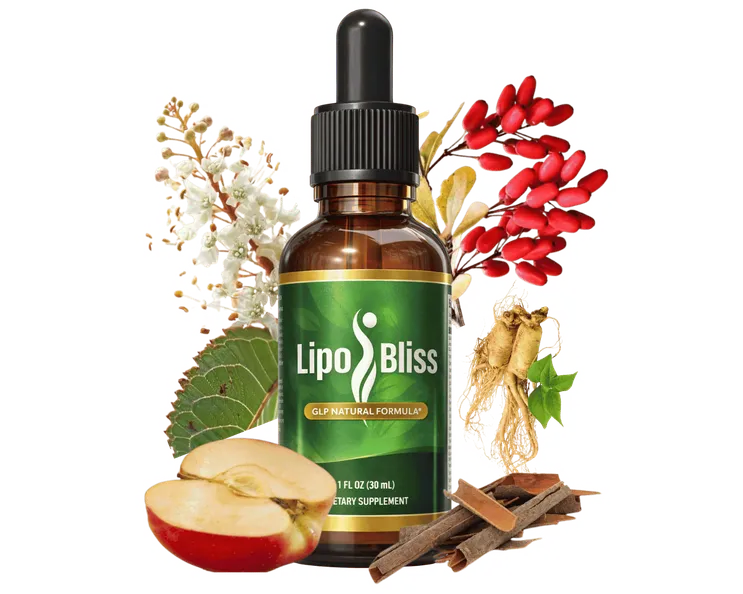
African mango is the common name for Irvingia gabonensis, a West and Central African tree whose fruit is eaten locally and whose seed — known regionally as dika nut — has a long history in traditional cooking, where its ground kernel is used as a thickener. The weight-management ingredient is not the fruit pulp you would recognize as a mango; it is a standardized extract of the seed, and that distinction matters, because the appetite-and-waist claims all trace back to seed-extract research, not to eating the fruit.
The reason it shows up in formulas at all is a small cluster of human trials, and the reason it belongs in a serious discussion of African mango weight loss is that those trials measured the outcomes people actually care about — body weight, body fat and waist circumference — rather than only a blood marker. That is rarer in this category than the marketing implies, and it is the honest strength of the ingredient, even after you account for the studies' limitations.
The African mango weight loss evidence on appetite and waist, read honestly
Here is the finding the ingredient is built on. In the most-cited randomized, placebo-controlled work, participants taking a standardized Irvingia gabonensis seed extract at 150 mg twice daily for around ten weeks showed reductions in body weight, body fat and waist circumference relative to placebo, alongside changes in some metabolic markers. On its face that is a genuinely appealing result, because it touches the outcome (waist and weight) and not just a surrogate.
Now the caveats, because leaving them out would be exactly the kind of selective reading this site exists to avoid. The trials were small — tens of participants, not hundreds. Much of the strongest data comes from a single research group, which means independent replication at the same scale is thin. And a ten-week study, while long enough to say something about waist and weight, is short in the arc of a person's life with the ingredient. The defensible summary is that the evidence is encouraging and outcome-relevant, but modest and in need of larger, independent confirmation. Promising is the right word. Proven is not.
This is the same standard we apply to every ingredient, and it is why we treat a marker moving differently from a waistline moving in our piece on the gap between surrogate markers and real weight outcomes. African mango is unusual in that its headline studies reached for the outcome directly — which is a point in its favor, provided you keep the sample sizes in view.
How African mango is proposed to affect appetite
Two mechanisms are usually offered, and both are plausible rather than fully settled. The first is fibre. Irvingia seed is rich in soluble fibre, and soluble fibre slows gastric emptying and adds volume, which supports the feeling of fullness at and after a meal. That is a well-described, unglamorous mechanism that it shares with other fibres — the same mechanism we cover in our look at gymnema, cayenne and the appetite question — and it is the least speculative part of the story.
The second is hormonal. Some of the trial work reported changes in leptin, the hormone involved in signalling satiety and energy balance, and in a few other metabolic measures. This is the more interesting and less certain layer: showing a hormone shifted in a small trial is a reason to keep studying an ingredient, not proof that the shift is what produced the waist change. The honest framing is that African mango is proposed to support a healthy appetite and a satisfied feeling at meals, through a fibre effect that is well understood and hormonal effects that are still being worked out. What it is not is an appetite switch. Individual responses vary, and no ingredient reliably turns hunger off.
See how African mango sits in the LipoBliss formula
The official store lists the full ingredient panel alongside the current price and the 60-day guarantee, so you can check the dosing rather than take the claim on trust.
Get OfferThe dose that matters: 150 mg, twice daily
If you take one number away from this article, make it this one. The African mango research that everyone cites used 150 mg of a standardized seed extract, taken twice daily before meals. That is the benchmark against which any product containing African mango should be measured, and it is the single most useful thing to look for on a label.
The practical problem is disclosure. A great many formulas list African mango proudly on the front and then bury the actual amount inside a proprietary blend total on the back, so you cannot tell whether the serving delivers anything close to the researched 300 mg daily or a token sprinkle included mainly so the ingredient can appear in the marketing. Without a per-ingredient amount, the ingredient name tells you almost nothing. This is exactly why we keep returning to dose transparency: it is the difference between a formula that could plausibly do what the research suggests and one that is trading on a familiar name. When you evaluate the LipoBliss formula and its ingredient disclosures, that is the question to bring — is the African mango amount stated, and how does it compare with 150 mg twice daily?
What "standardized" means on the label
One more word deserves attention, because it separates a serious African mango inclusion from a decorative one: standardized. A standardized extract is processed so that each batch delivers a consistent amount of the components thought to matter, rather than whatever happened to be in that season's harvest. The trial material was a defined, standardized seed extract, and a product that simply lists "African mango" without any indication of standardization or amount is telling you less than it appears to.
So the two label questions travel together. Is the extract standardized, and is the amount stated at or near 150 mg twice daily? A yes to both puts a formula in the same territory as the research. A vague blend total answers neither, and in that case the ingredient name is doing marketing work rather than nutritional work. Holding a bottle to that simple test is the most reliable filter you have.
Where African mango fits — and where it does not
African mango is a supporting ingredient in a broader weight-management approach, and framing it that way is both more honest and more useful than the alternative. It is one of the signature inclusions in LipoBliss, sitting alongside garcinia, green tea, gymnema and others, precisely because its evidence points at appetite and waist rather than at a vague "metabolism" claim. In a stack, its job is to contribute to the satiety side of the ledger.
What it cannot do is carry the result on its own. The trials that produced the encouraging numbers still ran inside a study structure, and real-world weight change is driven by diet, activity, sleep and, for some people, medical care. An ingredient that helps you feel satisfied at a meal is genuinely useful — feeling less driven to overeat is a real lever — but it works with those fundamentals, not instead of them. Anyone hoping African mango will offset a diet it was never designed to fix is going to be disappointed by the arithmetic rather than by the ingredient.
Three myths about African mango worth clearing up
"African mango melts belly fat." No ingredient melts fat, and the phrase is a marketing tell. What the studies reported was a reduction in waist circumference over ten weeks in small groups, on average — a measured, modest change, not a targeted fat-burning effect. Spot reduction of a body region by a supplement is not a thing the evidence supports for any ingredient.
"If it worked in a study, it will work for me." A trial average contains people who responded more and people who did not respond at all, and no published mean can tell you which one you would be. That uncertainty is not a knock on African mango specifically; it is true of every ingredient in the aisle, and honesty about it is what separates a useful guide from a sales page.
"Natural means I can ignore the dose and the doctor." Natural is not the same as inert or risk-free. African mango was generally well tolerated in the short trials, but long-term data is limited, mild side effects were reported by some participants, and it can interact with the rest of your routine. If you take medication or have a health condition, the sensible move is a conversation with your doctor before daily use — the ingredient is not intended to diagnose, treat, cure or prevent any disease.
Check the African mango dose for yourself
The full LipoBliss ingredient panel, the current price and the 60-day money-back guarantee are laid out at the official store, so you can weigh the dosing against the research before deciding.
Get OfferRelated reading
- Natural appetite suppressants: what actually works
- LipoBliss real results: what to expect and when
- Soluble fibre, satiety and appetite control explained
- Gymnema, cayenne and the appetite question
Frequently asked questions
Does African mango help with weight loss?
The evidence is encouraging but modest and limited. Several small trials of Irvingia gabonensis seed extract reported reductions in body weight, body fat and waist circumference over about ten weeks, but the studies were small and mostly from one research group, so the honest reading is promising rather than proven. It is a supporting ingredient, not a stand-alone solution.
How much African mango extract is effective?
The most-cited studies used 150 mg of a standardized Irvingia gabonensis seed extract taken twice daily, before meals, for around ten weeks. That is the amount to compare any product against. A label that lists African mango but hides the amount inside a proprietary blend makes it impossible to know whether you are getting a researched dose.
How does African mango affect appetite?
African mango is proposed to support satiety, partly through its soluble fibre content slowing digestion and partly through effects on hormones linked to fullness such as leptin in some studies. The practical claim is help with healthy appetite and feeling satisfied at meals, not appetite elimination, and individual responses vary considerably.
Is African mango safe to take daily?
In the short trials conducted, African mango seed extract was generally well tolerated, with mild effects such as headache, gas or sleep changes reported by some participants. Long-term safety data is limited. As with any supplement, speak to your doctor before daily use, especially if you take medication or have a health condition, and it is not intended to treat any disease.
References
- Ngondi JL et al. — IGOB131, Irvingia gabonensis seed extract, randomized double-blind placebo-controlled trial (Lipids in Health and Disease).
- NIH Office of Dietary Supplements — Dietary Supplements for Weight Loss, health professional fact sheet.
- PubMed — Irvingia gabonensis and body weight trial literature.
- National Center for Complementary and Integrative Health — Weight Control and Complementary Health Approaches.
- Harvard T.H. Chan School of Public Health, The Nutrition Source — Fiber.