Natural Appetite Suppressants: What Works
What are natural appetite suppressants, and which ones work?
Natural appetite suppressants are foods, fibres and plant extracts that gently reduce hunger or cravings. The best-supported are soluble fibre, protein and African mango seed extract at around 150 mg twice daily; garcinia HCA and chromium help some people modestly. They support calorie awareness rather than replacing it.
- Strongest evidence: soluble fibre and protein, both working through fullness.
- Reasonable support: African mango at a real dose, chromium for cravings.
- Overhyped: any single pill sold as an appetite off-switch.
Hunger is not a willpower problem you can shout down. It is a signal, tuned by hormones, blood sugar, sleep, stress and the physical volume of what you last ate. That is exactly why natural appetite suppressants are so appealing: instead of fighting the signal, they promise to turn it down a notch. The trouble is that the supplement aisle sells the promise far more consistently than any product delivers it, and the gap between the two is where money gets wasted.
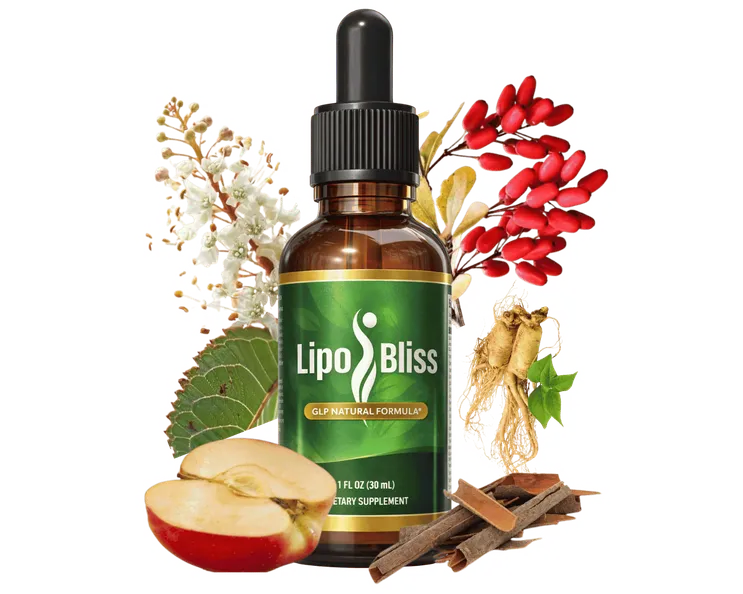
This is an honest roundup. We are going to separate the ingredients with real human evidence from the ones coasting on a good story, tell you the doses that the research actually used, and be blunt about how large the effect is when it exists at all. Some of these ingredients appear on the LipoBliss chart, and we will show you where they fit without pretending a dropper does something a diet does not.
What a “natural appetite suppressant” actually does
The phrase covers three different mechanisms that get lumped together. The first is physical fullness: something takes up room in the stomach or slows how fast it empties, so the stretch receptors that report “enough” fire sooner and stay active longer. The second is hormonal: an ingredient nudges satiety signalling — the family of hormones that tell the brain a meal has landed. The third is behavioural, and it is the one nobody markets: steadier blood sugar and better sleep quietly reduce the cravings you would otherwise have to resist.
Understanding which mechanism you are buying matters, because it tells you what to expect. A fibre works by volume, so it needs to be taken with water before or with a meal. A taste-based ingredient needs contact with the tongue. A craving-focused mineral works over weeks, not minutes. When a product blurs all three into one sentence about “curbing appetite,” it is usually hoping you will not ask which one it means.
One rule sits above all of them. Every appetite suppressant with genuine support is a support, not a substitute. None of them override the arithmetic of energy balance, and the honest ones do not claim to. What they can do is make an ordinary calorie-aware plan a little easier to hold to on the days it is hard.
Soluble fibre and protein: the two that reliably work
If you want the appetite suppressants with the least controversy behind them, they are also the least glamorous: soluble fibre and dietary protein. Neither is a supplement gimmick, and that is precisely why they are so well evidenced.
Soluble fibres — the viscous kind found in oats, psyllium, beans, apples and chia — absorb water and form a gel that slows gastric emptying and blunts the post-meal blood-sugar rise. The practical result is that fullness arrives sooner and lasts longer, and the crash-and-crave cycle that follows a fast-digesting meal is softened. This is not a trace effect measured in a single obscure trial; it is one of the more consistent findings in nutrition, which is why fibre keeps appearing in this conversation. For the deeper version of this mechanism, see our explainer on how soluble fibre supports satiety and appetite control.
Protein works through a different door and arrives at the same place. Gram for gram, protein is the most satiating macronutrient: protein-forward meals raise fullness hormones, blunt hunger between meals, and cost more energy to digest than carbohydrate or fat. Front-loading protein at breakfast is one of the few “appetite hacks” that survives scrutiny. The reason these two beat most pills is boring and decisive — you can reach an effective dose of them at every meal, whereas a shared botanical blend often cannot deliver an effective dose of anything.
African mango seed extract: the dose that matters
African mango, or Irvingia gabonensis, is the appetite ingredient people most often ask about, and it is a fair one to include because there is human research rather than only tradition. The seed extract has been studied for effects on satiety and waist measurements, with a signal that is interesting without being enormous.
The number that matters is the dose. The trials people cite used roughly 150 mg of the standardised extract twice daily, taken before meals. That is a specific, repeatable amount, and it is the yardstick against which any product containing African mango should be judged. A formula that lists the ingredient but hides it inside a proprietary blend cannot tell you whether you are getting 300 mg a day or a token sprinkle, and the difference is the difference between the studied effect and nothing at all. We walk through the trial detail in our piece on African mango seed extract, appetite and waist measurements.
The single most useful habit when shopping for appetite suppressants is to compare the amount on the label against the amount in the study. If the label will not tell you the amount, treat the claim as unproven.
Garcinia HCA and chromium: smaller, less certain
Two more ingredients earn a place in the conversation, with clear caveats. Garcinia cambogia supplies hydroxycitric acid, or HCA, which is proposed to modestly curb appetite and interfere with fat storage. The human evidence is mixed: some trials show a small reduction in intake, others show nothing distinguishable from placebo, and the effect where it exists is minor. It is not a fraud, but it is not the dramatic ingredient its marketing history suggests.
Chromium is a trace mineral involved in how the body handles insulin, and its appetite angle is specifically about cravings rather than fullness. Some research suggests chromium may reduce carbohydrate cravings and the pull toward snacking in people prone to it, likely by supporting steadier blood-sugar handling. The effect is modest and does not appear in everyone, but for a craving-driven eater it is a plausible small lever. Our closer look at chromium, blood sugar and the evidence on cravings lays out where it holds up and where it does not.
How the main options compare
| Option | How it works | Evidence-based dose | Honest effect size |
|---|---|---|---|
| Soluble fibre | Volume and slower gastric emptying | Several grams with meals and water | Reliable, meaningful for fullness |
| Protein | Satiety hormones, high thermic cost | Roughly 25–40 g per meal | Reliable, one of the strongest |
| African mango | Satiety, studied on waist | ~150 mg extract twice daily | Modest, dose-dependent |
| Chromium | Blood-sugar handling, cravings | Micrograms daily | Small, and only for some people |
| Garcinia HCA | Proposed appetite and fat storage | Standardised HCA, varies | Small and inconsistent |
Read that table top to bottom and a pattern appears: the higher an option sits, the more of it you get from food and the less it depends on a bottle. That is not an argument against every supplement, but it is an argument for spending your effort on the top rows first.
Want to see these ingredients on one label?
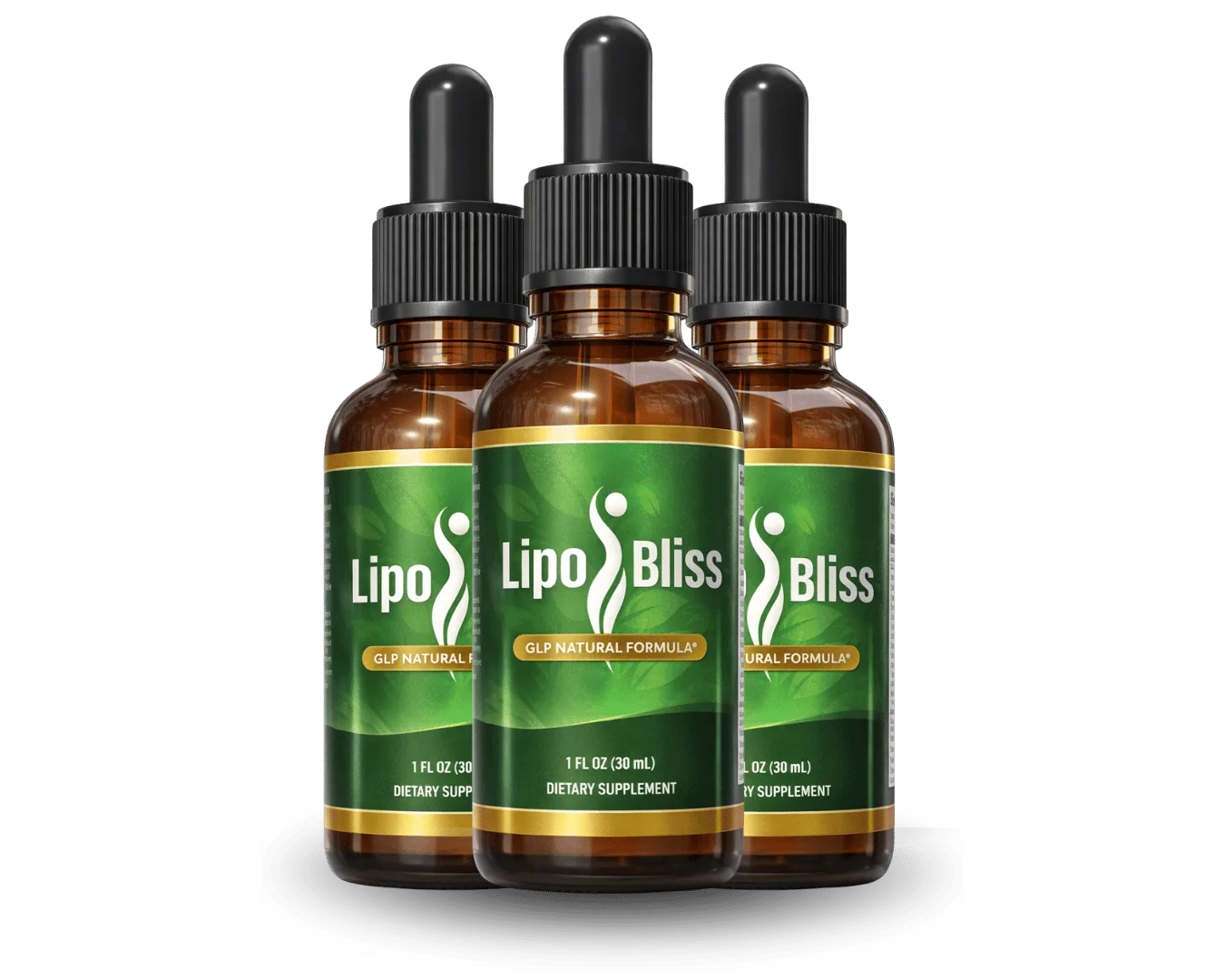
LipoBliss brings African mango, gymnema, green tea, cayenne and chromium into a once-daily dropper. The official store shows the current price, the full chart and the 60-day guarantee.
Get OfferThree myths worth clearing up
Myth one: a strong enough suppressant makes dieting effortless. No natural ingredient turns hunger off. The realistic ceiling for this whole category is a gentle reduction in how often and how hard you feel like eating — enough to make a sensible plan easier, not enough to make an unsustainable one work. Anyone promising effortless is selling the promise, not the result.
Myth two: “natural” guarantees safe and gentle. Natural describes origin, not safety or dose. Stimulant-containing formulas can raise heart rate and disturb sleep; fibre taken suddenly at high doses causes gas and bloating; and any ingredient that touches blood-sugar handling deserves a conversation with your doctor if you take medication. Natural is a starting point for scrutiny, not a substitute for it.
Myth three: more ingredients means a better formula. A long, impressive ingredient list crammed into a small proprietary blend usually means each component is present in an amount too small to match its research. Three ingredients at studied doses beat fifteen at fairy dust. This is the reason a good ingredient chart can still make a weak product, and why we read the amounts before the names.
Where LipoBliss fits in this picture
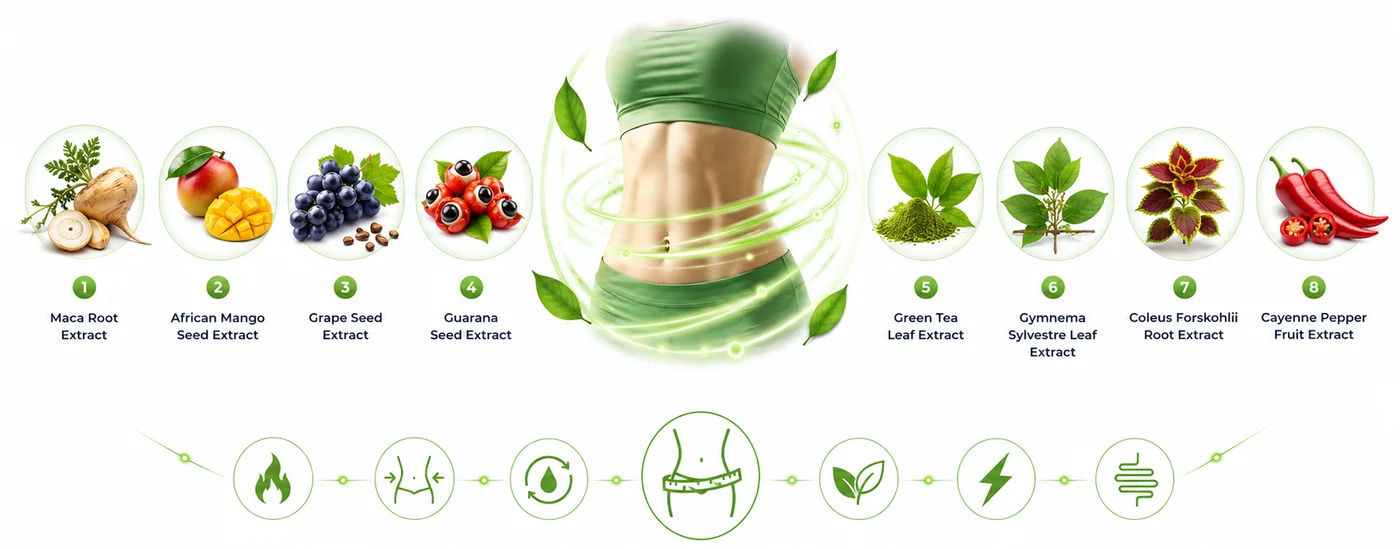
LipoBliss is a once-daily botanical liquid, and several of the appetite-focused ingredients above appear on its chart: African mango seed, gymnema sylvestre leaf, green tea leaf, cayenne fruit, and chromium at 7 mcg. Gymnema is unusual in that its sweet-taste effect is something you can verify on your own tongue, which we cover alongside cayenne in our look at gymnema, cayenne and the appetite question. Taken together, this is a sensible appetite-leaning line-up rather than a random grab-bag.
The honest caveat is the one we apply to every product, including the ones we link to: parts of the LipoBliss chart sit inside a proprietary blend, so the exact milligrams of each ingredient are not disclosed. That means we cannot confirm the African mango is present at the studied 150 mg twice-daily amount, and we will not pretend otherwise. What we can say is that the ingredient selection is defensible and appetite-relevant, and that the liquid dropper format is arguably better than a capsule for the taste-dependent ingredients like gymnema. You can read exactly what the LipoBliss label discloses and what it does not before deciding.
What to realistically expect
Put all of this together and the realistic outcome of using natural appetite suppressants looks like this: meals that hold you a little longer, a slightly quieter urge to snack in the afternoon, and fewer sugar-driven cravings if you have addressed the blood-sugar side. Layered onto a calorie-aware diet and decent sleep, those small effects compound into something worth having. Bolted onto an unchanged diet in the hope that the bottle does the work, they will disappoint you, and that disappointment is the most common review this category earns.
The most effective “stack” is unromantic and free of charge: protein at every meal, soluble fibre with your carbohydrates, water before you eat, enough sleep to keep hunger hormones sane, and stress managed well enough that it stops writing cheques your appetite has to cash. A well-chosen supplement is the last few percent on top of that foundation — useful, but never the foundation itself. Judge any product, LipoBliss included, by whether it supports that plan honestly rather than by whether it promises to replace it.
Check the current LipoBliss offer
See the appetite-focused ingredient chart, the up-to-date package pricing and the 60-day money-back guarantee on the official store page.
Get OfferFrequently asked questions
What are the best natural appetite suppressants?
The options with the most human evidence are soluble fibre and protein, which raise fullness through volume and slower digestion, followed by African mango seed extract at around 150 mg twice daily. Garcinia HCA and chromium have smaller, less consistent effects. None of them replaces calorie awareness.
Do natural appetite suppressants really work?
Some do, modestly. Soluble fibre and protein reliably increase satiety, and African mango and chromium have supporting research at specific doses. The honest size of the effect is a gentle nudge on hunger and cravings, not an override of appetite, and results vary from one person to another.
Which suppressant ingredients are in LipoBliss?
LipoBliss is a botanical liquid whose ingredient chart includes African mango seed, gymnema sylvestre leaf, green tea leaf, cayenne fruit and chromium at 7 mcg. Several of these sit inside a proprietary blend, so the exact amount of each is not disclosed on the label.
How can I curb cravings without medication?
Build meals around protein and fibre, drink water before eating, keep blood sugar steady with balanced meals, sleep enough, and manage stress, since both drive cravings. A suppressant ingredient can support these habits, but the habits do the larger share of the work.
References
- NIH Office of Dietary Supplements — Dietary Supplements for Weight Loss.
- National Center for Complementary and Integrative Health — weight control and dietary supplements.
- Harvard T.H. Chan School of Public Health, The Nutrition Source — Fiber.
- MedlinePlus (U.S. National Library of Medicine) — Chromium monograph.