Soluble Fiber for Satiety and Appetite Control
How does soluble fiber curb appetite?
Soluble fiber appetite control works through simple physics. Soluble fiber absorbs water and forms a gel that adds volume, slows stomach emptying and flattens the blood-sugar spike after a meal. Fullness lasts longer and hunger returns later, so you feel satisfied on fewer calories without relying on willpower alone.
- Volume: the gel stretches the stomach and stretches out satiety.
- Slower emptying: a meal releases into the gut gradually, not all at once.
- Steadier glucose: fewer sharp crashes means fewer sharp cravings.
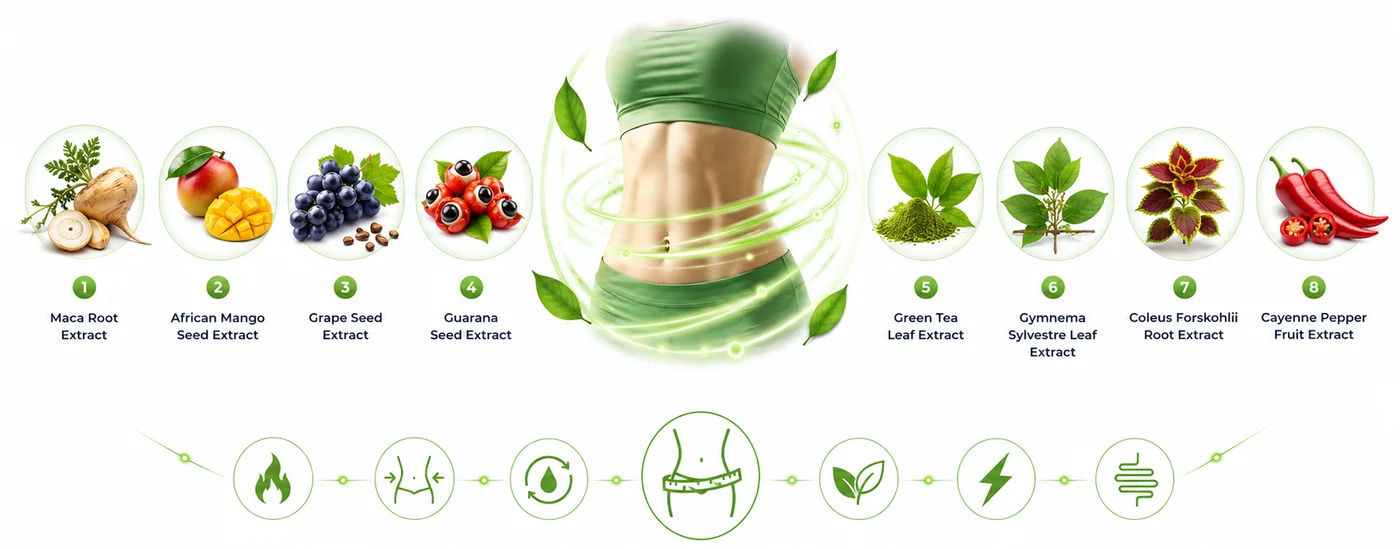
How soluble fiber appetite control actually works
Of all the tools people reach for to eat less, soluble fiber has one of the cleanest and best-supported mechanisms, which is exactly why it belongs at the front of any honest conversation about soluble fiber appetite control. Fiber is the part of plant food your small intestine cannot digest. It splits into two broad families: insoluble fiber, which does not dissolve and mostly speeds transit and adds stool bulk, and soluble fiber, which dissolves in water and does the appetite work. When soluble fiber meets the fluid in your stomach, it swells into a viscous gel.
That gel does three useful things at once. First, it takes up space. A stomach with a gel-thickened meal in it is physically fuller, and stretch receptors in the stomach wall send fullness signals to the brain sooner and for longer. Second, the gel slows gastric emptying, so the meal drips into the small intestine gradually instead of dumping all at once. Slower emptying keeps you feeling fed further past the last bite. Third, because nutrients are released more slowly, the rise in blood glucose after the meal is gentler, which sidesteps the sharp crash that so often triggers a mid-afternoon raid on the snack cupboard.
None of that requires a leap of faith or a proprietary molecule. It is close to plumbing: add a water-absorbing gel to a meal and the meal behaves differently. That mechanistic clarity is what sets fiber apart from ingredients whose case rests on a four-hour metabolic blip, a distinction we unpack in our look at why a moving marker is not the same as a real weight outcome.
Fullness on fewer calories: the satiety-to-intake link
Feeling full matters for weight only if it changes what you eat, and here the evidence is encouraging without being magical. When people start a meal with a soluble-fiber-rich food, or add viscous fiber to a meal, they tend to report greater fullness and, across the rest of the day, often eat somewhat less in total. The effect is not enormous per meal, but appetite is a running total, and small reductions repeated across weeks are precisely the kind of change that adds up on the scale.
The reason this beats simply "trying to eat less" is that it works with your biology rather than against it. Willpower is a finite resource that erodes as the day goes on; a physically fuller stomach and a steadier blood-sugar curve do not get tired at 4pm. By lowering the intensity of hunger rather than demanding you override it, soluble fiber makes a calorie deficit something you drift into rather than fight for. That is also why it pairs so naturally with the appetite-support goals LipoBliss is built around, and why we treat fiber as foundational rather than optional.
It is worth being precise about the ceiling, though. Fiber lowers the intensity of hunger; it does not abolish appetite, and it cannot rescue a plate that is calorie-dense to begin with. A bowl of oats drowned in sugar and cream is still a high-calorie bowl. The satiety benefit is real, but it operates alongside portion sense and food choices, never instead of them.
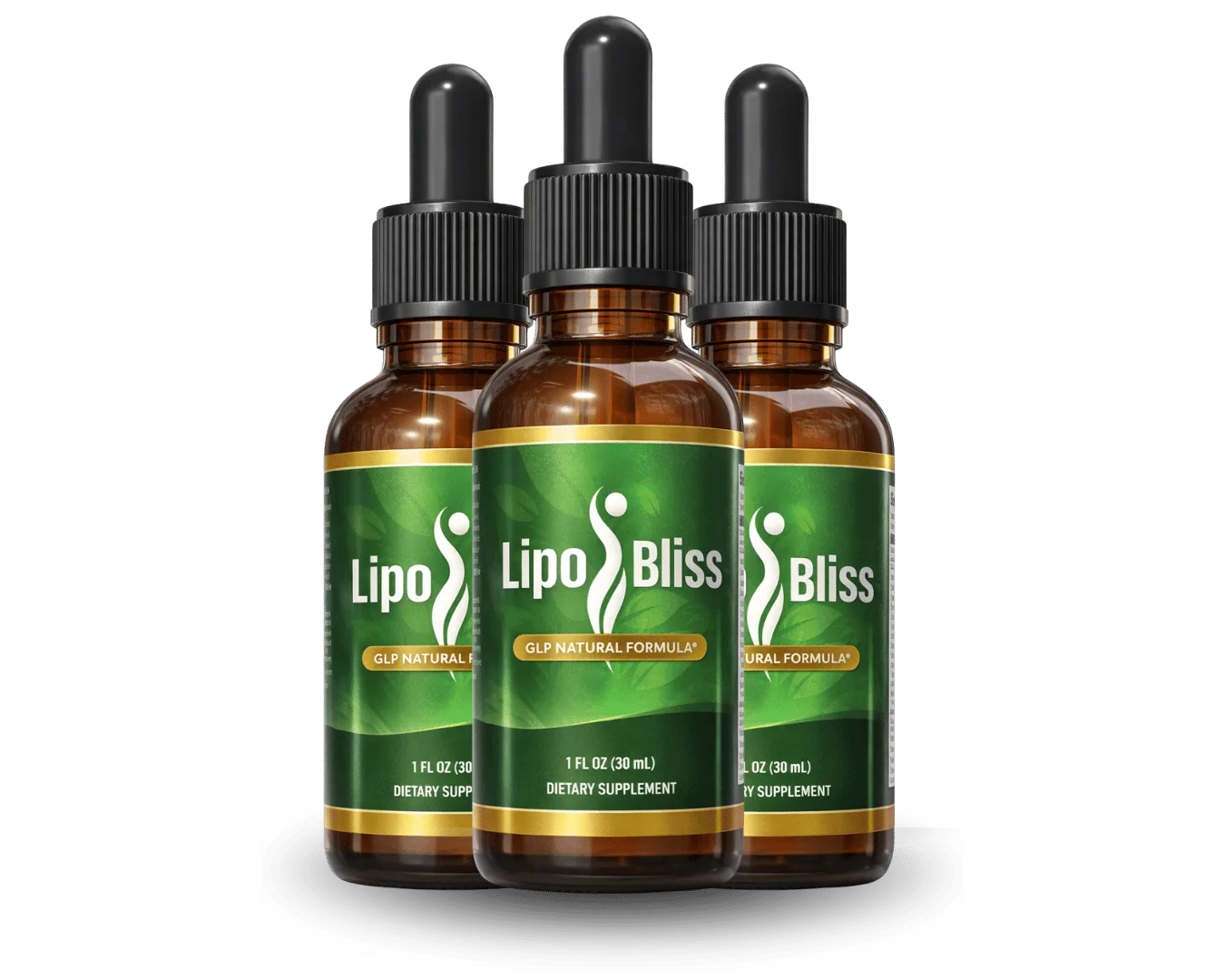
Support your appetite plan from more than one angle
A fiber-rich plate does the heavy lifting; a botanical blend can back it up. See the current LipoBliss label, pricing and 60-day guarantee on the official store page.
Get OfferFiber and blood sugar: the craving connection
The appetite story and the blood-sugar story are the same story told from two angles. A refined-carb meal with little fiber floods the bloodstream with glucose quickly, the pancreas answers with a large insulin release, and an hour or two later glucose can dip below where it started. That trough registers as shakiness, low energy and an urgent pull toward fast carbohydrate — a craving manufactured by the meal itself, not by weak character.
Soluble fiber's gel slows glucose absorption, which flattens both the peak and the subsequent trough. A flatter curve means fewer of those manufactured cravings, which is one of the most underrated reasons a fiber-forward day simply feels less hungry than a low-fiber one. This is the same lever that minerals like chromium are proposed to nudge from a different direction, which is why we compared the two in our piece on chromium, blood sugar and carbohydrate cravings — fiber does it by physics, chromium by insulin efficiency, and a sensible plate can use both.

Pair fiber with protein for a stronger effect
Soluble fiber controls the glucose and volume side of appetite; protein controls the hormonal and thermic side. Protein is the most satiating macronutrient per calorie, it blunts the hunger hormone ghrelin, and it costs more energy to digest than fat or carbohydrate. Put the two together — fiber-rich carbohydrates plus a solid protein anchor at each meal — and you get a plate that is genuinely hard to overeat.
For a working protein target, NASM and many sports-nutrition sources cite roughly 0.73 to 1 gram of protein per pound of body weight per day for people who are active or trying to preserve muscle while losing fat. You do not need to weigh every gram, but knowing the range keeps you from the common mistake of building fiber-heavy, protein-light meals that leave you hungry within the hour. A bowl of beans and greens is good; the same bowl with grilled chicken or tofu is a satiety machine.
This pairing is the practical heart of appetite control, and it is more effective and far cheaper than any single supplement claim. If you want the wider menu of options ranked by how well they hold up, our guide to natural appetite suppressants that actually work puts fiber and protein where the evidence puts them: near the top.
How much fiber, and how to add it without the bloat
Most guidelines put the daily target at about 25 to 38 grams of total fiber, yet the average adult manages only around 15 grams. That shortfall is one of the quietest reasons modern eating feels so relentlessly hungry. Closing the gap is the single highest-leverage dietary change many people can make for appetite — but the way you close it matters, because a sudden jump from 15 to 35 grams overnight is a recipe for gas and bloating.
The fix is pace and water. Add a few grams a week rather than all at once, giving your gut bacteria time to adjust, and increase your fluid intake as you go, because soluble fiber needs water to form its gel in the first place. Fiber without enough water is uncomfortable and works against you. Ramp gradually, hydrate, and the bloating phase is usually brief and mild.
The best soluble-fiber foods
You do not need a supplement to get most of this. The richest soluble-fiber foods are oats and oat bran, barley, beans, lentils and chickpeas, apples and pears, citrus fruits, carrots, and the concentrated sources psyllium husk and ground flaxseed. Building a couple of meals a day around these, with protein alongside, does more for appetite than almost anything sold in a bottle.
The most reliable appetite suppressant on the market is a plate you built on purpose: soluble fiber for volume and steadier glucose, protein for hormonal fullness, water to make the gel work.
Two honest objections deserve answers. Is a fiber supplement worthwhile? It can be a reasonable top-up when food genuinely is not getting you to target — psyllium is well studied — but it is a top-up, not a replacement for the chewing, volume and nutrients of whole foods. And does fiber slow you down? Only briefly, during the ramp; once your gut adapts, a higher-fiber diet is associated with better regularity, not worse. Introduce it sensibly and the trade is overwhelmingly in your favour.
Where a supplement fits around fiber
Fiber and protein are the foundation; everything else is a smaller lever layered on top. That is the honest place to put a product like LipoBliss — a once-daily liquid built on botanicals such as gymnema, green tea and African mango that targets the same appetite and blood-sugar goals from a different direction. It is not fiber, it does not replace fiber, and it should be judged as a complement to a fiber-rich plate rather than a substitute for one. You can read the full LipoBliss ingredient breakdown and decide where, if anywhere, it fits your own plan.
The throughline is simple and unglamorous. Soluble fiber earns its place in appetite control because the mechanism is clear, the foods are cheap, and the effect compounds quietly over weeks. Anchor your meals in it, pair it with protein and water, and you have built the part of weight management that no supplement can build for you. Nothing here is medical advice, and no dietary supplement is intended to diagnose, treat, cure or prevent any disease.
Related reading
Check the label, price and guarantee
LipoBliss ships from the official store, the only place the current formula details, package options and 60-day money-back window are stated in full.
Get OfferFrequently asked questions
How does soluble fiber curb appetite?
Soluble fiber absorbs water in the stomach and gut, forming a gel that adds volume and slows how fast a meal empties. That physical bulk stretches the stomach and blunts the post-meal blood-sugar rise, so fullness signals last longer and hunger returns later. The net effect is that you tend to feel satisfied on fewer calories without white-knuckle willpower.
How much fiber should I eat for weight control?
Most guidelines target about 25 to 38 grams of total fiber a day, yet the average adult eats only around 15. Aim to close that gap gradually, increasing by a few grams each week and drinking more water, so you build satiety benefits without bloating. Getting a meaningful share of that total from soluble sources is where the appetite payoff concentrates.
Does fiber help stabilize blood sugar?
Yes. Soluble fiber forms a viscous gel that slows the absorption of glucose from a meal, flattening the spike-and-crash pattern that often triggers cravings an hour or two later. Steadier blood sugar means fewer sharp hunger swings, which is one of the main reasons a fiber-rich plate makes eating less feel easier over the course of a day.
What foods are high in soluble fiber?
Oats and oat bran, barley, beans, lentils, chickpeas, apples, pears, citrus, carrots, psyllium husk and flaxseed are among the richest soluble-fiber foods. Building meals around these, and pairing them with protein, is the most reliable and least expensive way to raise satiety. Whole-food sources also deliver the chewing, volume and nutrients a supplement alone cannot.
References
- USDA / National Academies — Dietary Reference Intakes for total fiber.
- Harvard T.H. Chan School of Public Health — Fiber, The Nutrition Source.
- Mayo Clinic — Dietary fiber: essential for a healthy diet.
- PubMed — primary literature on viscous fiber, satiety and food intake.
- NASM — protein and calorie guidance for body composition.