Chromium, Blood Sugar and Cravings: What Weight-Loss Science Actually Shows
Does chromium curb cravings?
On the question of chromium, weight loss and cravings, the honest answer is a qualified yes. Chromium picolinate may help insulin move glucose into cells more smoothly, softening the blood-sugar swings that drive carb cravings. Trial effects are real but subtle, most useful alongside balanced meals rather than as a standalone fix.
- Mechanism: supports insulin sensitivity, steadier post-meal glucose.
- Craving effect: modest, clearest in strong carb-cravers.
- Best used: as a small helper inside a balanced plan, not a shortcut.

Chromium, weight loss and cravings: what the trace mineral does
Chromium is an essential trace mineral, which means your body needs a tiny amount of it and cannot make its own. In the diet it turns up in whole grains, broccoli, green beans, nuts and some meats, usually in single-digit to low-double-digit micrograms per serving. That "trace" framing matters for expectations: this is not a stimulant, not a fibre, not a herb with a dramatic acute effect. It is a mineral that participates quietly in how your cells respond to insulin, and the entire case for chromium in weight loss and cravings rests on that one job.
The biologically active form in supplements is trivalent chromium, most often sold as chromium picolinate because the picolinic acid it is bound to helps the mineral get absorbed. Do not confuse it with hexavalent chromium, the industrial contaminant of pollution headlines — that is a different, toxic species and is not what goes in a supplement. The trivalent form used in nutrition has a long record of tolerability, which is part of why it appears in so many weight-management blends despite its modest résumé.
Here is the part the marketing tends to skip. Chromium's effects are genuinely subtle. It does not incinerate fat, it does not suppress appetite the way a bulky fibre can, and it will not out-argue a calorie surplus. What it may do is make the metabolic backdrop a little steadier, which for some people makes the daily grind of eating less feel fractionally more manageable. Sizing that honestly is the whole point of this page.
How chromium affects blood sugar
When you eat carbohydrate, blood glucose rises, and the pancreas releases insulin to escort that glucose into muscle and liver cells. Insulin is the key; the cell's receptor is the lock. Chromium appears to improve how well that key turns — the technical phrase is enhanced insulin sensitivity. With insulin working a touch more efficiently, glucose is cleared with a smaller spike and, crucially, a smaller rebound dip afterwards.
That rebound dip is the villain in the craving story. A sharp glucose spike from a refined-carb meal is often followed by an overshoot in insulin that drives glucose down below baseline an hour or two later. That trough is when many people feel shaky, foggy and suddenly desperate for something sweet — not because they lack willpower, but because their physiology is asking for fuel. If chromium blunts the overshoot even a little, the trough is shallower, and the craving it would have triggered is quieter.
The important caveat is who benefits and by how much. In people who are already well-nourished and insulin-sensitive, the measurable difference chromium makes to glucose control is small, sometimes statistically fuzzy. The clearest signals show up in people whose insulin sensitivity or chromium status was lower to begin with. This is a recurring theme with micronutrients: topping up a shortfall does more than piling onto an adequate baseline. It is also why realistic reading of the evidence beats before-and-after hype, a habit we lay out in our guide to why weight-loss supplement trials move markers more reliably than the scale.
Does chromium reduce sugar cravings? What the trials found
This is the claim people actually care about, so it deserves specifics rather than slogans. A handful of randomised trials have tested chromium picolinate specifically in people who describe themselves as carbohydrate cravers, including some studies in atypical depression where carb craving is a defining symptom. In those groups, chromium at several hundred micrograms a day reduced self-reported cravings and appetite versus placebo, and some participants ate less as a result.
Two honest qualifications keep that from being an infomercial. First, the effect sizes are modest, and the populations were often selected precisely because they were strong cravers — the people most likely to respond. Broad trials in general dieters show weaker and less consistent results. Second, when you zoom out to the outcome that matters, actual body weight, meta-analyses of chromium supplementation find only a small average difference against placebo, on the order of roughly a kilogram, with wide uncertainty. A real signal, but a small one.
So the defensible summary is this: chromium is one of the better-studied minerals for the specific complaint of sugar and carb cravings, the mechanism is coherent, and the effect is subtle and most useful in people who crave carbs heavily. Anyone hoping it will do the heavy lifting of weight loss on its own is reading a different, more optimistic literature than the one that exists.
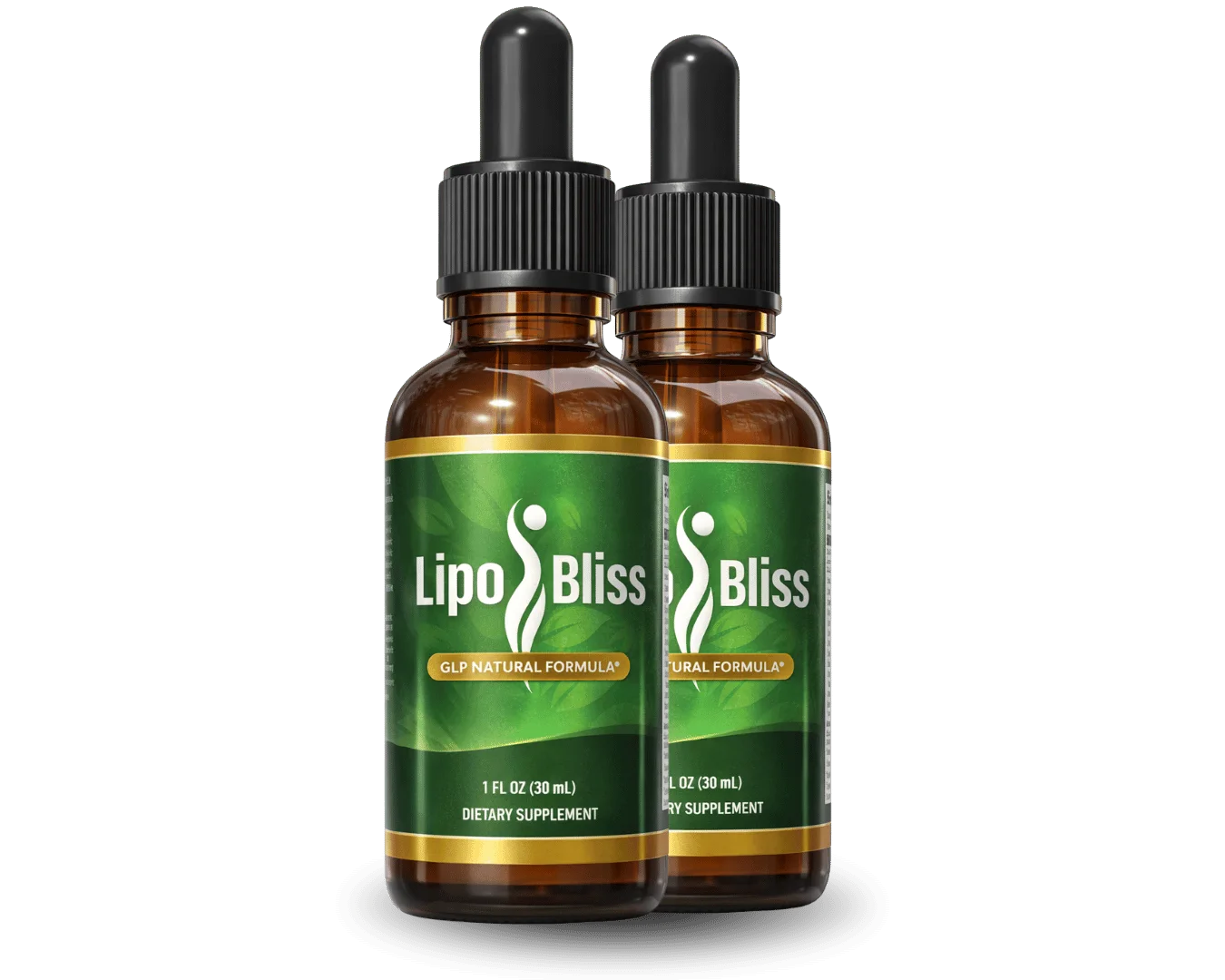
See how chromium sits in a full formula
Chromium works best as one supporting piece of a balanced blend. The official store page lists the current LipoBliss label, pricing and the 60-day guarantee terms in full.
Get OfferChromium picolinate versus other forms, and the dose question
Not all chromium on a label is equal, and the differences are absorption, not magic. Chromium picolinate is the most-studied form and absorbs relatively well. Chromium polynicotinate (bound to niacin) and chromium chloride also appear on labels; chloride is poorly absorbed and is the weakest choice. If a product does not name its form, that omission is itself information.
On dose, the food-based adequate intake sits around 25 to 35 micrograms a day for adults, easily met by a varied diet. Craving and weight studies, by contrast, have used 200 to 1,000 micrograms of chromium picolinate daily, with 200 to 400 micrograms being the workhorse dose. That gap between dietary intake and studied dose is why a supplement can, in principle, do something a normal diet does not — it delivers a pharmacological amount, not a nutritional one.
This is also where you should read a blend's fine print carefully. Many multi-ingredient weight products include chromium at a token amount — a handful of micrograms — closer to a dietary top-up than to the doses used in the craving trials. That is not automatically a flaw, because in a well-designed formula chromium is a supporting note rather than the lead. But it does mean you should not expect a small-dose chromium inclusion to replicate a 400-microgram single-ingredient study. Match your expectations to the amount on the label, a discipline we apply across the whole category in our evidence guide to metabolism-boosting ingredients.

Where chromium fits in a weight-management blend
Chromium rarely travels alone, and that is by design. In weight-management formulas it is commonly paired with green tea extract, which is studied for a small effect on fat oxidation, and with garcinia cambogia, whose hydroxycitric acid is proposed to nudge appetite and fat storage. The logic of the combination is that these ingredients act on different parts of the same problem — energy expenditure, appetite, storage, blood-sugar steadiness — so a modest contribution from each may add up to something more useful than any single one alone.
LipoBliss follows that combination logic. It is a once-daily liquid built on gymnema, green tea, African mango, coleus forskohlii, cayenne and maca, with chromium included as a supporting mineral at a small dose. If you want to see how those pieces are described together and read the label for yourself, the LipoBliss ingredient overview lays out the full blend. The framing to keep is honest: chromium here is a support player alongside better-characterised appetite ingredients like gymnema, not the reason the formula exists.
The evidence-based reason combinations tend to beat single ingredients is not synergy in the mystical sense. It is that weight is governed by several levers at once, and any one lever moved slightly does little, whereas several levers moved slightly — plus the actual daily behaviour of eating and moving — can compound. No supplement combination removes the behaviour from that sentence.
Three myths about chromium worth clearing up
Myth one: chromium melts fat. It does not. There is no credible mechanism by which a trace mineral directly burns adipose tissue, and the body-weight meta-analyses that exist show a small average effect that is entirely consistent with a mild appetite and glucose benefit, not with fat "melting". If a product implies otherwise, it is selling past its evidence.
Myth two: more is always better. Beyond the studied range, extra chromium does not buy extra benefit, and megadosing is pointless. The craving trials used hundreds of micrograms, not tens of thousands. Chasing an ever-higher number misunderstands how a micronutrient works — you are topping up a system, not force-feeding an engine.
Myth three: chromium replaces the boring stuff. The most persistent objection we hear is essentially "can I skip the diet if I take chromium?" No. Every honest reading of the data frames chromium as something that may make a sensible plan slightly easier to stick to — steadier glucose, fewer sharp cravings — not a substitute for the plan. Pairing it with protein and fibre-rich meals is how the mechanism is supposed to be used, which is exactly the logic behind using soluble fibre to build real fullness into meals.
How to use chromium sensibly
If you decide to try chromium, treat it like the supporting tool it is. Take it with meals rather than on an empty stomach, both for tolerability and because its blood-sugar role is tied to eating. Give it a fair window — craving effects, where they occur, tend to show over weeks, not with the first dose. And anchor it to a plate that already does most of the work: protein to blunt hunger, fibre to slow digestion, and carbohydrates you actually chose rather than ones a glucose crash chose for you.
Watch the interaction list too. Because chromium can influence blood sugar, it can theoretically add to the effect of diabetes medication, and it may interact with thyroid drugs and some others. That is not a reason for healthy adults to fear it, but it is a firm reason for anyone on those medications, anyone pregnant, or anyone with kidney concerns to check with a doctor first. Nothing on this page is medical advice, and no supplement is intended to diagnose, treat, cure or prevent any disease.
Read against all of that, chromium is neither a miracle nor a scam. It is a well-tolerated trace mineral with a plausible, modest role in steadying blood sugar and quieting carb cravings for the people most prone to them — a small, honest lever inside a plan that still has to do the real work.
Related reading
Check the label, price and guarantee
LipoBliss ships from the official store, the only place the current chromium and botanical amounts, the package options and the 60-day money-back window are stated in full.
Get OfferFrequently asked questions
Does chromium reduce sugar cravings?
It may, modestly. Small trials in people prone to carbohydrate cravings have reported lower craving scores and less snacking on chromium picolinate versus placebo, but the effect is subtle and not universal. Chromium is best understood as a nudge that can make a balanced eating plan a little easier to hold, not a switch that turns cravings off.
How does chromium affect blood sugar?
Chromium appears to help insulin work more efficiently, so glucose is moved into cells with less of a spike-and-crash pattern after carbohydrate meals. Steadier post-meal glucose is the mechanism most often proposed for its craving effect. In well-nourished people the difference is small, and it is more noticeable in those whose chromium intake or insulin sensitivity was low to begin with.
What dose of chromium is used in supplements?
Weight and craving studies have most often used 200 to 1,000 micrograms of chromium picolinate per day, with 200 to 400 micrograms being common. For reference, the adequate intake from food is roughly 25 to 35 micrograms a day, so supplement doses sit well above dietary levels while remaining within amounts regulators have not flagged as harmful for healthy adults.
Is chromium safe for daily use?
Trivalent chromium from supplements has a long record of tolerability at typical doses, and no upper limit has been set because toxicity is rare. That said, chromium can interact with medication for blood sugar and thyroid, so anyone on those drugs, pregnant, or with kidney concerns should speak to a doctor before daily use. This is general information, not medical advice.
References
- NIH Office of Dietary Supplements — Chromium, health professional fact sheet.
- National Center for Complementary and Integrative Health — Chromium.
- NIH Office of Dietary Supplements — Dietary Supplements for Weight Loss.
- PubMed — primary trial literature on chromium picolinate, cravings and body weight.
- Mayo Clinic — Chromium: uses, interactions and cautions.