Metabolism-Boosting Ingredients: An Evidence Guide
What ingredients actually boost metabolism?
The metabolism-boosting ingredients with real human data are green tea EGCG and caffeine for fat oxidation, garcinia HCA for appetite and storage, L-carnitine for fat transport, and chromium and chlorogenic acid for blood sugar. Each effect is modest; combinations plus activity beat any single ingredient by a wide margin.
- Strongest signal: green tea catechins with caffeine.
- Supporting roles: L-carnitine, garcinia, chromium, chlorogenic acid.
- Reality check: effects are small and need diet and movement to matter.
What "boosting metabolism" really means
Before ranking any metabolism-boosting ingredients, it helps to define the target, because the phrase is used loosely enough to sell almost anything. Your metabolism is the sum of the energy your body spends: the large resting component that keeps you alive, the energy cost of digesting food, and the energy of movement. A supplement can only nudge the edges of that system — usually by raising fat oxidation slightly, lifting energy expenditure by a small margin, or reducing how much you eat. None of them rewrites your resting rate, which is governed mostly by your size, muscle mass, age and genetics.
That framing sets a fair bar. When a label promises to "boost metabolism," the useful question is not whether the ingredient does literally nothing versus something, but how big the something is and whether it survives a full day of normal eating. Many thermogenic effects are real in a lab and trivial in a life — a measurable bump over four hours that one extra handful of nuts would erase. This guide ranks by strength of evidence and by realistic magnitude, and it borrows the lens from our explainer on why a moving lab marker often does not become a moving scale.
Ranking metabolism-boosting ingredients by evidence
Here are the headline candidates, roughly ordered from most to least defensible, with the doses that appear in the research rather than the doses that look good on a panel.
Green tea catechins (EGCG), 270–400 mg/day. This is the sturdiest entry. Green tea's main catechin, EGCG, appears to support fat oxidation and a small rise in energy expenditure, and the effect is reliably stronger when paired with caffeine, which green tea naturally contains. The catch is honesty about size: meta-analyses put the average weight effect in the low single-digit kilograms at most, and it is most visible alongside activity. As a mechanism it is coherent and replicated; as a standalone miracle it is not.
Garcinia cambogia (HCA), ~1,500 mg/day. The hydroxycitric acid in garcinia is proposed to modestly curb appetite and interfere with fat storage by inhibiting an enzyme called citrate lyase. Human results are mixed and generally small, with some trials showing a minor appetite or weight benefit and others showing little. It earns a place on the list for a plausible mechanism and a long history of use, but it sits below green tea on the evidence ladder, not above it.
L-carnitine, 1–2 g/day. Carnitine's job is to shuttle fatty acids into the mitochondria where they are burned, which is why it is marketed for fat metabolism. Supplementation has reasonable support for a small weight effect in specific groups, particularly people who are older or deficient, and less to offer well-fed younger athletes whose carnitine is already ample. A supporting player with a clear biochemical role and a modest, population-dependent effect.
See these ingredients combined in one formula
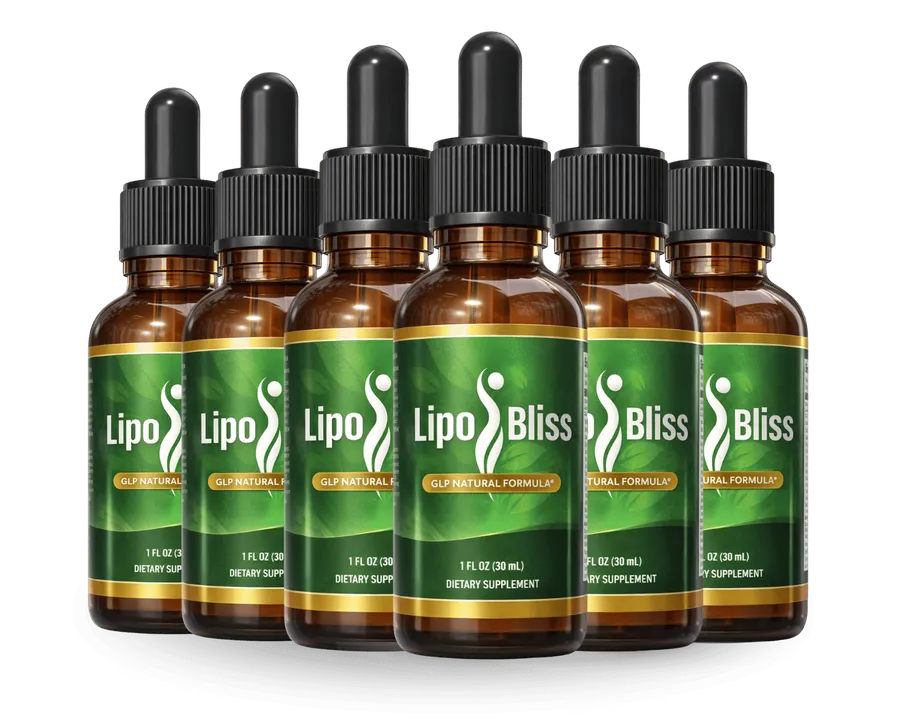
Combinations plus activity beat any single ingredient. The official store page lists the current LipoBliss blend, pricing and the 60-day guarantee in full.
Get OfferChromium, 200–400 mcg/day. Chromium does not burn fat; its contribution is blood-sugar steadiness through improved insulin sensitivity, which can soften the carb cravings that derail eating plans. That is a real but indirect route to eating less, and we sized it carefully in our dedicated piece on chromium, blood sugar and cravings. On this list it is a subtle supporter, valuable for cravings rather than for thermogenesis.
Chlorogenic acid (green coffee), ~200–400 mg/day. The active compound in green coffee bean extract, chlorogenic acid, may slow carbohydrate absorption and modestly affect glucose handling. The trial base is thinner and some early studies were of poor quality, so keep expectations low. It rounds out the group as another gentle, blood-sugar-leaning support rather than a heavy hitter.
Cayenne (capsaicin) and caffeine, the thermogenic pair. These two belong together because they share a mechanism and a limitation. Capsaicin, the compound that makes cayenne pepper hot, produces a small, genuine bump in heat production and can nudge appetite down for a few hours; caffeine raises energy expenditure and sharpens the fat-oxidation effect of green tea. Both are real thermogenics in the literal sense — they raise heat output — and both are perfect illustrations of the magnitude problem, because the extra energy burned is small enough that a single biscuit undoes an afternoon of it. They are useful seasoning on top of a plan, not the plan. Caffeine also carries a tolerance curve: the thermogenic response blunts as your body adapts, which is why stacking ever-larger stimulant doses is a dead end rather than a strategy.

Why combinations beat any single ingredient
The most important idea in this entire category is that metabolism is not governed by one dial. Appetite, fat oxidation, blood-sugar handling and energy expenditure are separate levers, and moving any one of them slightly does little on its own. Move several of them slightly at once — a touch more fat oxidation from green tea, a little appetite restraint from garcinia, steadier glucose from chromium, better fat transport from carnitine — and the small effects can compound into something you might actually notice, provided the behavioural foundation is there.
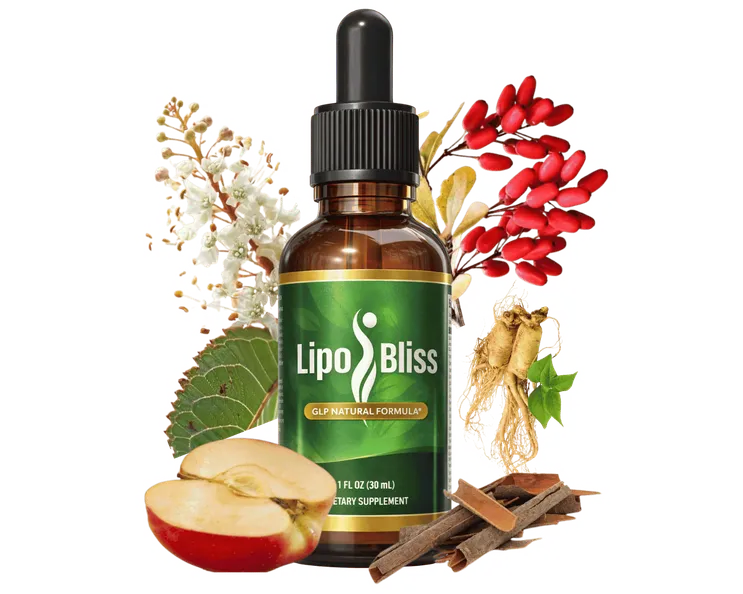
This is the logic behind sensibly formulated blends, LipoBliss included. It is a once-daily liquid built on gymnema, green tea, African mango, coleus forskohlii, cayenne and maca, with chromium as a supporting mineral — a deliberate stack of small levers rather than a bet on one hero ingredient. You can read the complete LipoBliss ingredient list and label to see how those pieces are combined. The honest claim for any such product is additive support, not transformation, and a formula that promises transformation is telling you more about its marketing than its pharmacology.
The same principle explains why an ingredient like African mango fibre or soluble fibre often does more day to day than a flashy thermogenic: it attacks the appetite lever, which for most people is the one that actually determines intake. We make that case in detail in our guide to using soluble fiber for satiety and appetite control. Put plainly, the amount you eat swamps the amount you burn from any capsule, so the levers that quietly reduce intake tend to outperform the ones that loudly raise expenditure.
There is a second, subtler benefit to combinations that rarely gets stated: adherence. A person who takes one considered daily formula alongside a fibre-and-protein plate has a simple routine they can actually keep, whereas someone chasing the perfect single ingredient tends to churn through products and give up. The best metabolism strategy is frequently the one you will still be following in three months, and simplicity is part of what makes that possible. That is the practical spirit behind the whole category, and the reason we keep steering readers back toward habits rather than heroics.
The exercise multiplier, and the two big objections
Every honest reading of this literature keeps returning to the same qualifier: these ingredients work best as a multiplier on activity, not as a substitute for it. Green tea's fat-oxidation effect is most visible in people who are moving; carnitine's fat-transport role only matters if fat is being called on for fuel. Strip out the exercise and the diet, and you are left with effects small enough to vanish into daily noise.
That leads to the first common objection: do metabolism boosters work without exercise? Marginally, and disappointingly so. On their own, most of these ingredients raise energy expenditure by a margin one snack can undo, so the scale barely moves. Treat them as an amplifier for effort you are already making, and the framing suddenly becomes reasonable. The second objection is about stimulants — are stimulant-free options worth it? Yes, modestly. Green tea catechins, L-carnitine, chromium, chlorogenic acid and fibre act through fat transport, blood sugar and appetite rather than through a caffeine jolt, which suits caffeine-sensitive people. The effects are gentler and slower, but for many that is a feature, not a flaw.
Judge a metabolism ingredient by its magnitude and its dose, not by its adjective. "Thermogenic" is a description of size, and the size is usually small.
How to read a metabolism label honestly
Three habits separate a worthwhile formula from an expensive placebo. First, check the dose against the research: green tea near 270 to 400 mg of catechins, garcinia near 1,500 mg of HCA, carnitine near 1 to 2 grams. A proprietary blend that hides amounts behind a single milligram total cannot deliver studied doses across a dozen ingredients, and you should treat that opacity as a red flag. Second, distinguish an acute effect from an outcome — a four-hour thermogenesis reading is a hypothesis, not a weight result. Third, notice whether the seller admits the effects are modest; the ones who do tend to be more trustworthy about the rest.
Applied consistently, that checklist deflates most of the aisle and leaves you with a shorter, saner list: a few coherent ingredients, at real doses, layered on top of movement and a calorie-aware, fibre-and-protein plate. That is the unglamorous truth this whole category keeps circling back to. Nothing here is medical advice, and no dietary supplement is intended to diagnose, treat, cure or prevent any disease. If you take medication for blood sugar, blood pressure or thyroid, or you are pregnant, talk to your doctor before adding any of these.
Related reading
Check the label, price and guarantee
LipoBliss ships from the official store, the only place the current per-ingredient details, package options and 60-day money-back window are stated in full.
Get OfferFrequently asked questions
What ingredients actually boost metabolism?
The most-cited candidates with human data are green tea catechins (EGCG) and caffeine for fat oxidation, garcinia cambogia HCA for appetite and fat storage, L-carnitine for fatty-acid transport, and chromium and chlorogenic acid for blood-sugar support. Each has a plausible mechanism and a modest effect, and none rewrites metabolism on its own. Combined with activity, small effects can add up.
Which metabolism ingredients have the best evidence?
Green tea catechins paired with caffeine have the most consistent human evidence for a small rise in fat oxidation and energy expenditure. L-carnitine has reasonable support in specific groups, while garcinia, chromium and chlorogenic acid show weaker or more mixed results. Even the best-supported effects are small in absolute terms, which is why realistic expectations matter more than the ingredient list.
Do metabolism boosters work without exercise?
Only marginally. Most metabolism ingredients raise energy expenditure or fat oxidation by an amount easily erased by a single snack, so on their own the scale barely moves. Their effect is best thought of as a small multiplier on top of physical activity and a calorie-aware diet, not a replacement for either. Without those habits, expect very little.
Are stimulant-free metabolism ingredients effective?
Some are, modestly. Stimulant-free options such as green tea catechins on their own, L-carnitine, chromium, chlorogenic acid and fiber act through fat transport, blood-sugar handling and appetite rather than through caffeine. Their effects are gentler and slower than stimulant-driven thermogenics, which suits people sensitive to caffeine, but the same rule applies: small support, not transformation.
References
- NIH Office of Dietary Supplements — Dietary Supplements for Weight Loss.
- National Center for Complementary and Integrative Health — Green Tea.
- NIH Office of Dietary Supplements — Carnitine fact sheet.
- PubMed — primary trials on EGCG, HCA, carnitine and chlorogenic acid.
- Mayo Clinic — Metabolism and weight loss.